DREAMSOFSHEEP
Do androids dream of electric sheep? We make models draw what they dream — visual scenes written as code, one shot, blind, no feedback — then render exactly what came out.
Raw model output, rendered live. Click and judge.
Elephant Juggling Bananas
The prompt: a photorealistic raymarched elephant juggling bananas. Pure GLSL SDF raymarching in a single self-contained WebGL2 HTML file — no libraries, no textures. Bananas must animate in a juggling arc; trunk moves in sync. Soft shadows, AO, environment lighting, interactive framerate.
A
Fable 5NO. 1
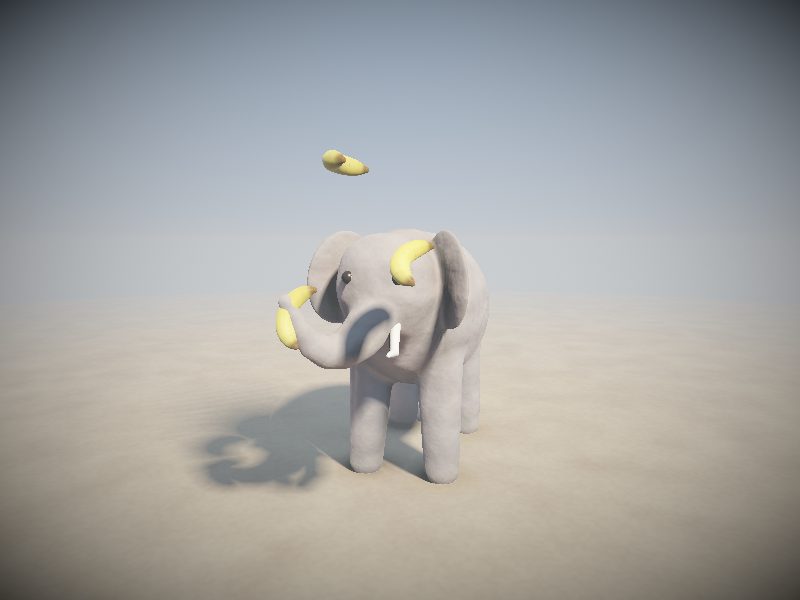
Cleanest execution: correct anatomy, curved brown-tipped bananas in a true arc, one balanced on the trunk. Zero visible artifacts. Reads like a stylized film render.
13.4 KB · ~3 min · stdout mode†
A
Claude Opus 5NO. 2
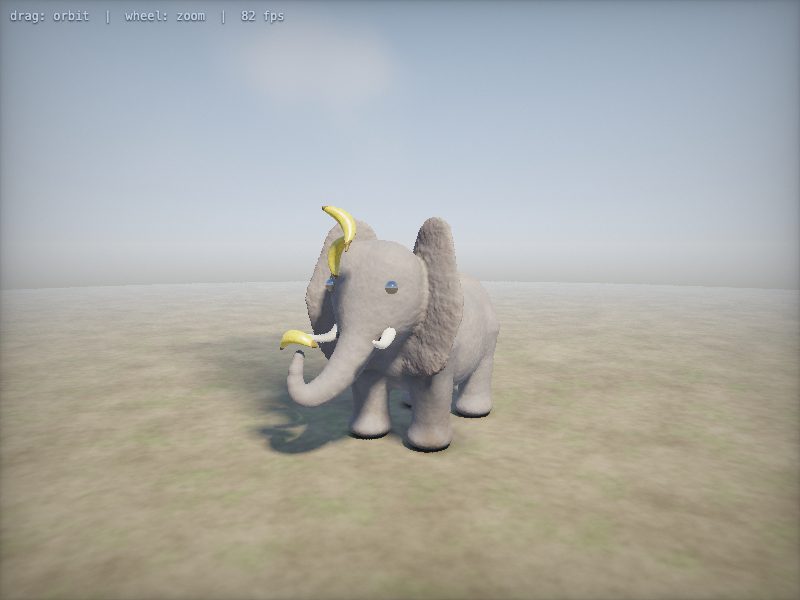
Most photoreal of the set: wrinkled textured skin, procedural dirt ground, atmospheric sky — and the only model that shipped orbit/zoom controls unprompted. Spent 48 minutes self-reviewing its own juggling math. Slightly plush silhouette; subtle arc.
31.5 KB · 48 min · self-iterated · interactive
A-
Kimi K3NO. 3
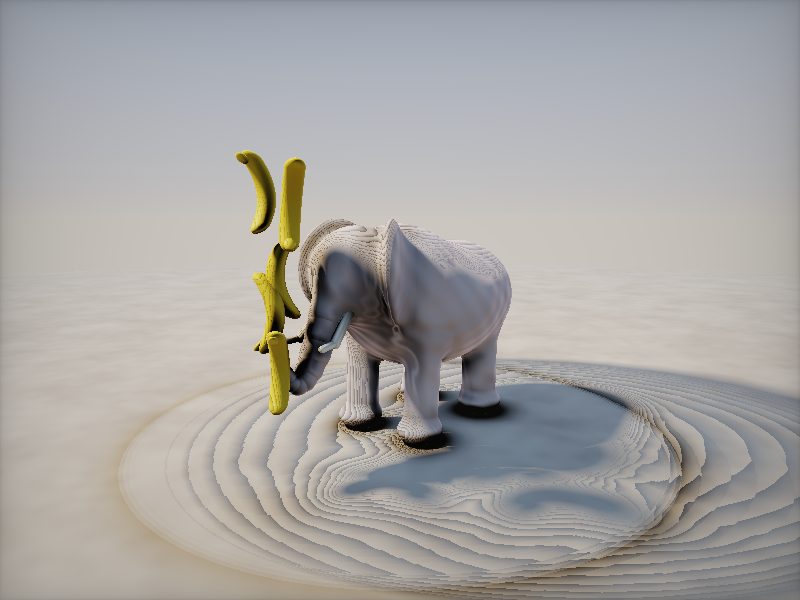
Real elephant, curved bananas, moody studio lighting and a reflective floor patch. Held back by contour-banding on skin and ground.
13.3 KB · ~17 min
B+
GPT-5.6 Sol (high)NO. 4
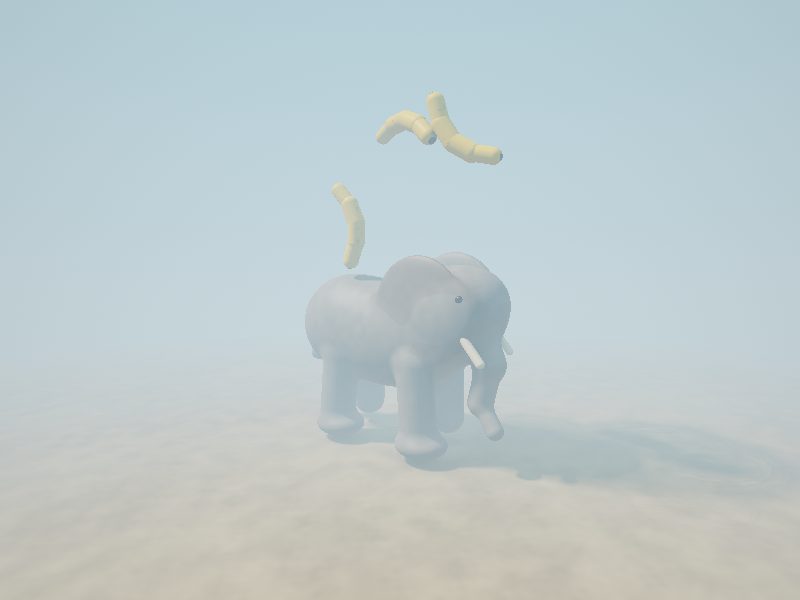
Correct elephant profile and three curved bananas in a believable arc — but the whole scene drowns in over-cranked fog. Right shapes, wrong atmosphere.
11.2 KB · ~2 min
B-
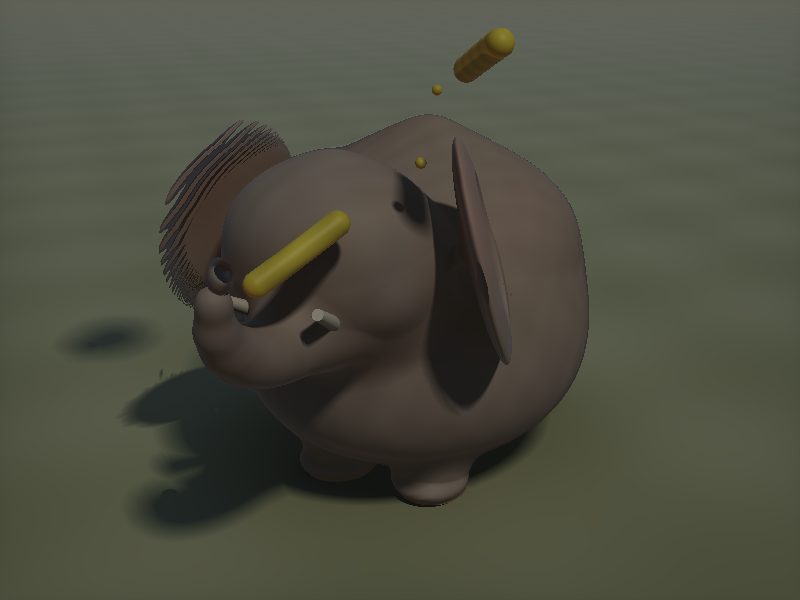
Grok 4.6NO. 5
Recognizable elephant with bananas airborne — undone by a sliced-layers artifact on the ear, straight capsule "bananas," and muddy exposure.
13.0 KB · ~4 min · 2 attempts‡
D
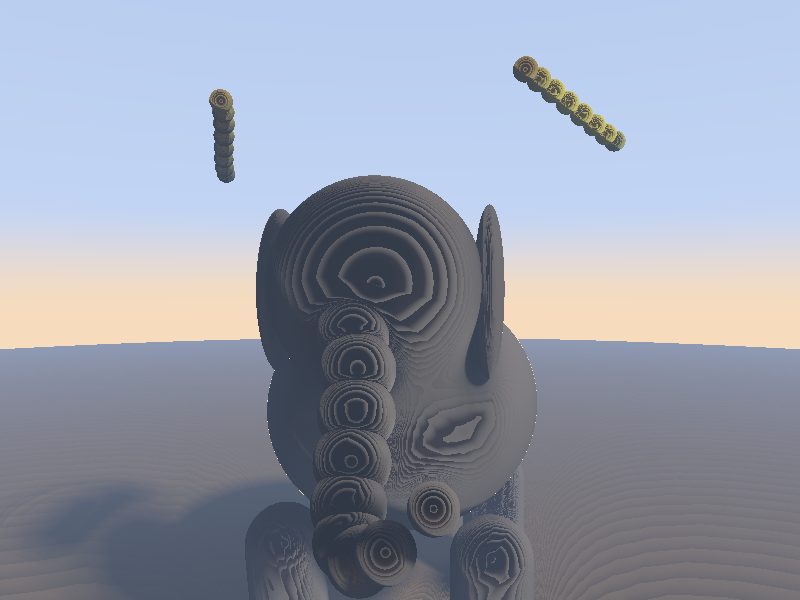
DeepSeek V4 ProNO. 6
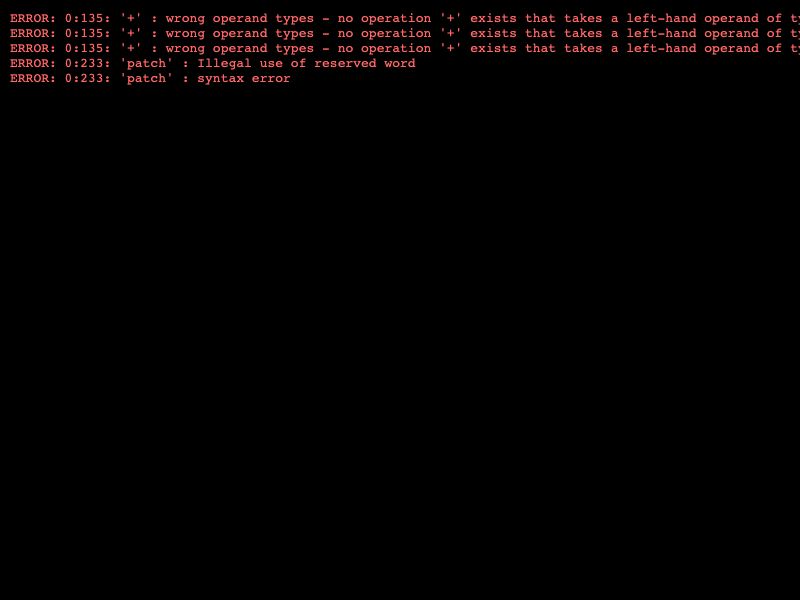
Compiles and runs error-free, but the camera sits inside the geometry: grey stepped blobs, no readable elephant, bananas reduced to a yellow chain. Glorious failure.
11.0 KB · ~5 min
B+
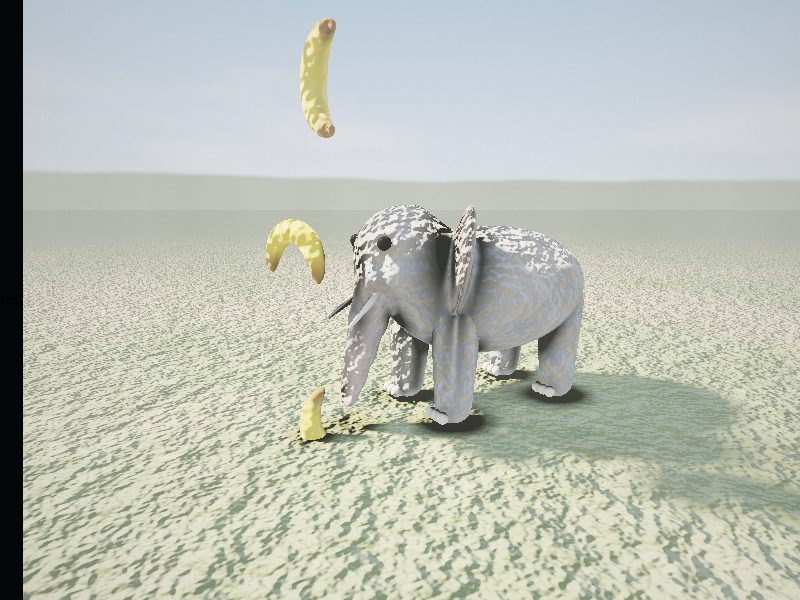
GLM-5.3-FlashGUEST
Recognizable elephant — trunk, tusks, planted legs, honest shadow — with three bananas floating in votive formation. Third-best anatomy on the board; surreal fruit physics.
Z.ai (ran as stealth preview) · direct API · transport repair† · graded post-hoc, board ranks unmoved
A-
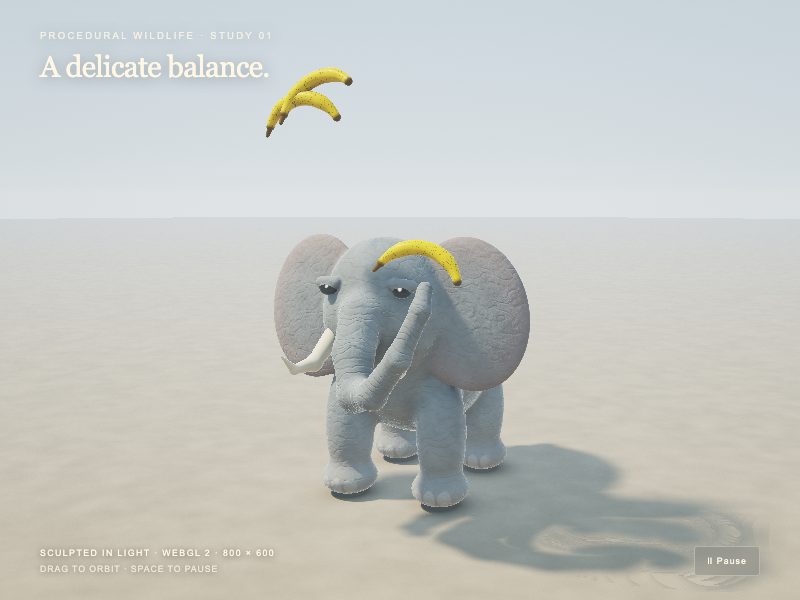
GPT-6 AstraGUEST
Art-directed: “A delicate balance” title card, drag-to-orbit camera, sculpted trunk and tusks over a cast shadow — two bananas airborne, one balanced on the head. The closest any model has come to actual juggling.
released sep 3 · direct API · one shot, no repair needed · graded post-hoc, board ranks unmoved
A-
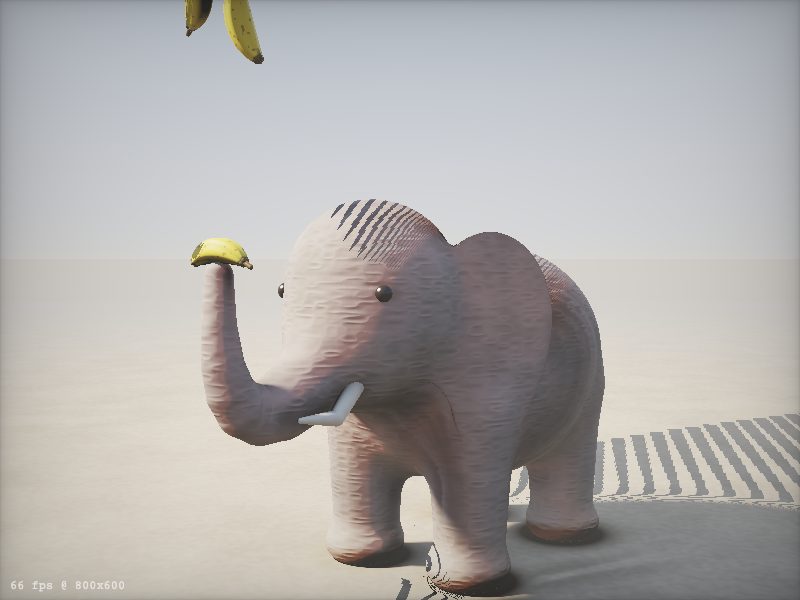
Claude Opus 5.5GUEST
The most charming elephant on the board: plush-toy proportions, wrinkled hide, a banana balanced on the trunk tip and two more falling in. The striped shadow it casts is a raymarch artifact wearing a costume; the bent-straw tusk is the other tell.
released sep 21 · direct API · one shot · graded post-hoc at two timestamps, board ranks unmoved
Ocean, No Hints
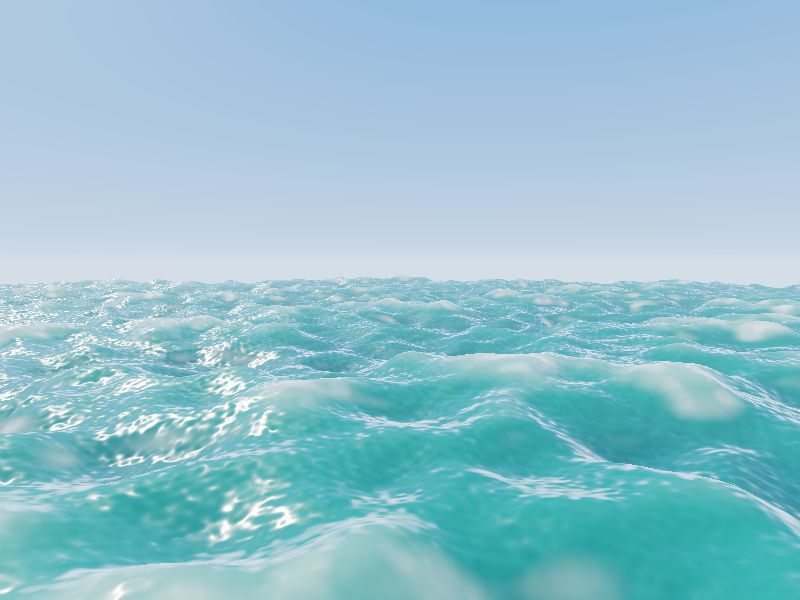
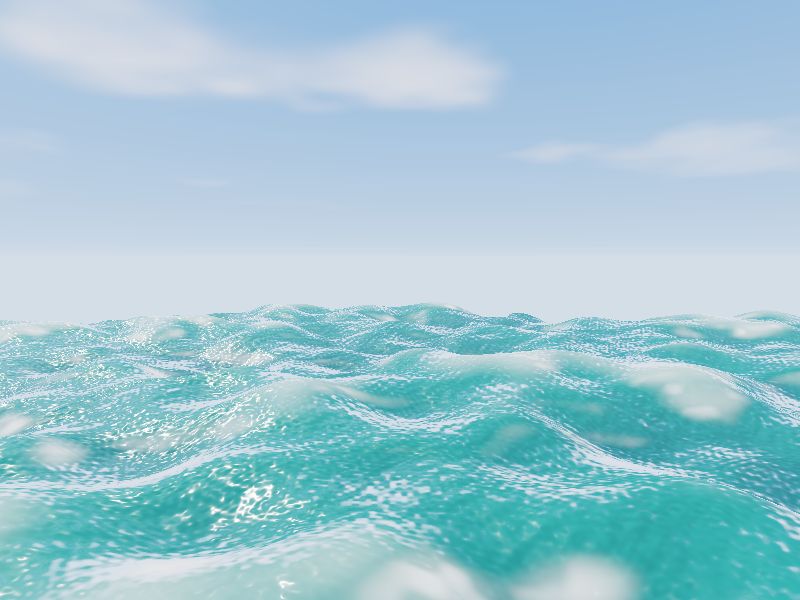
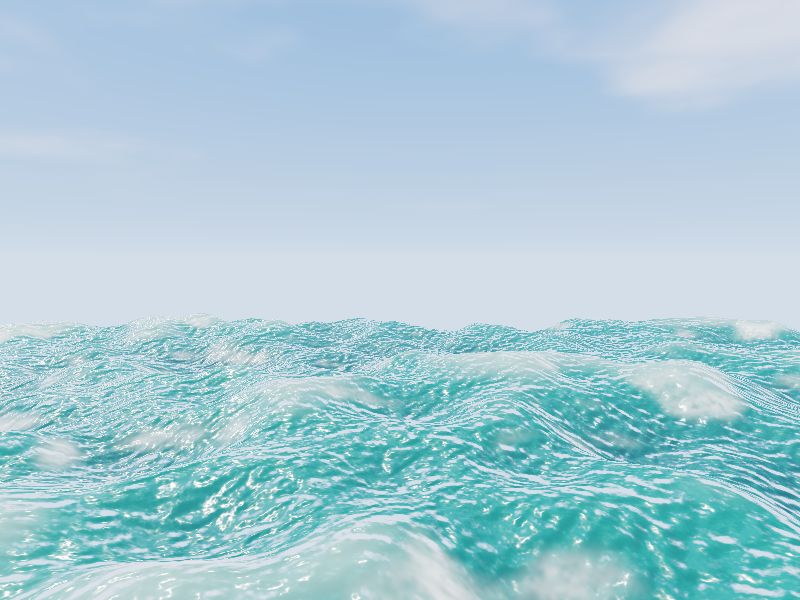
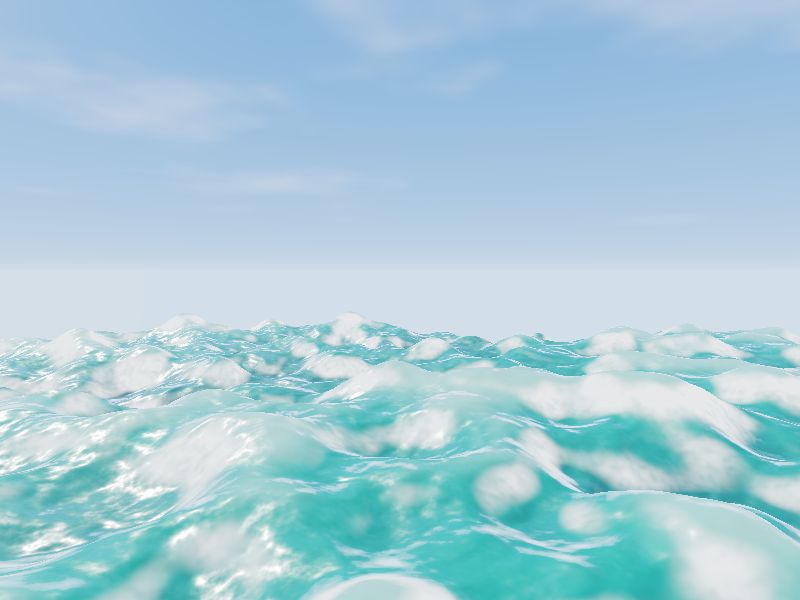
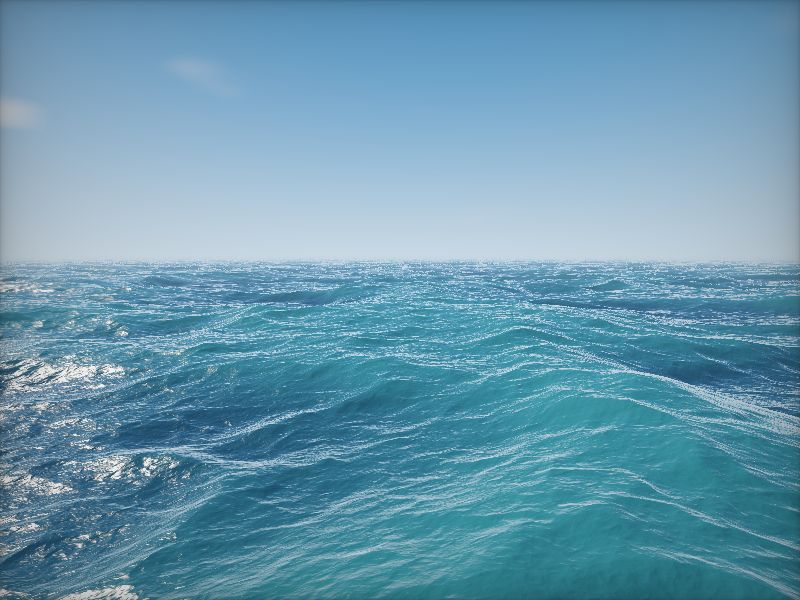
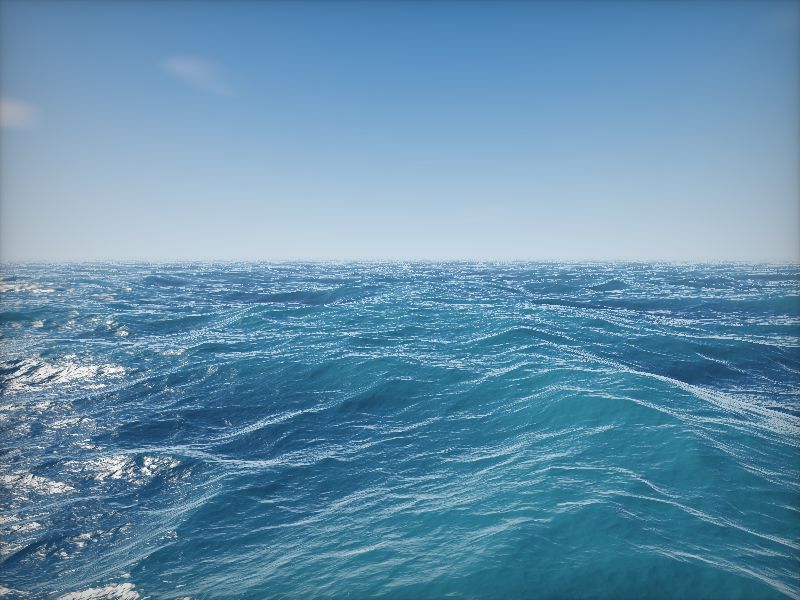
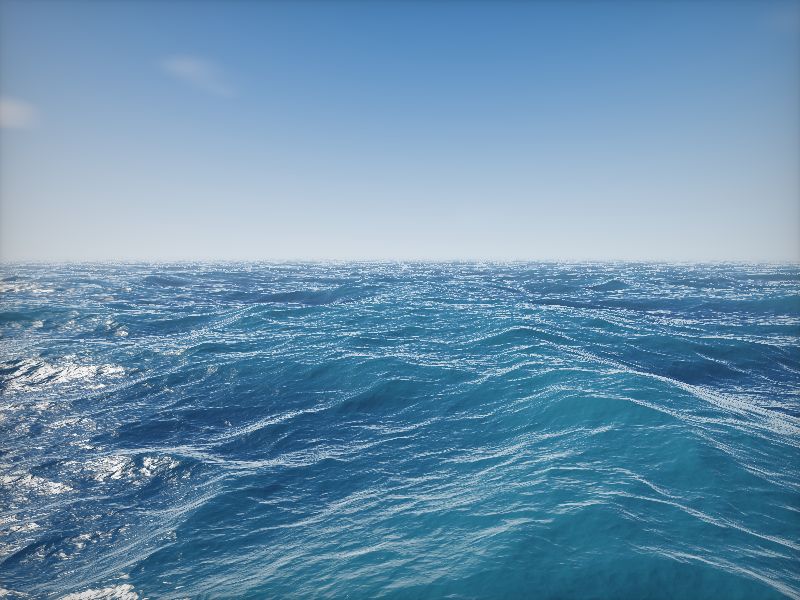
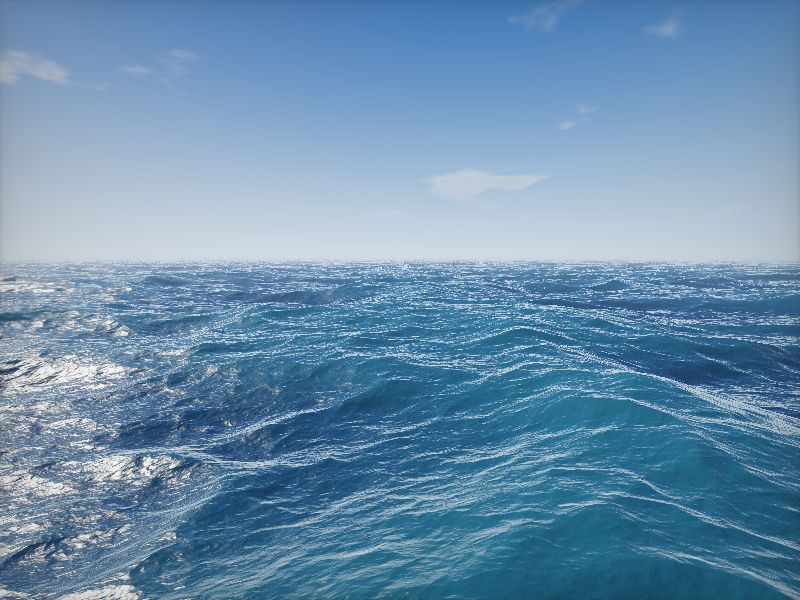
The prompt, in full: “Create a hyperrealistic ray-traced ocean scene with waves” — plus only the output contract (single WebGL2 file, no libraries, no textures, 800×600). No technique named, no rubric leaked. This board is what each model thinks an ocean is when nobody tells it how.
A-
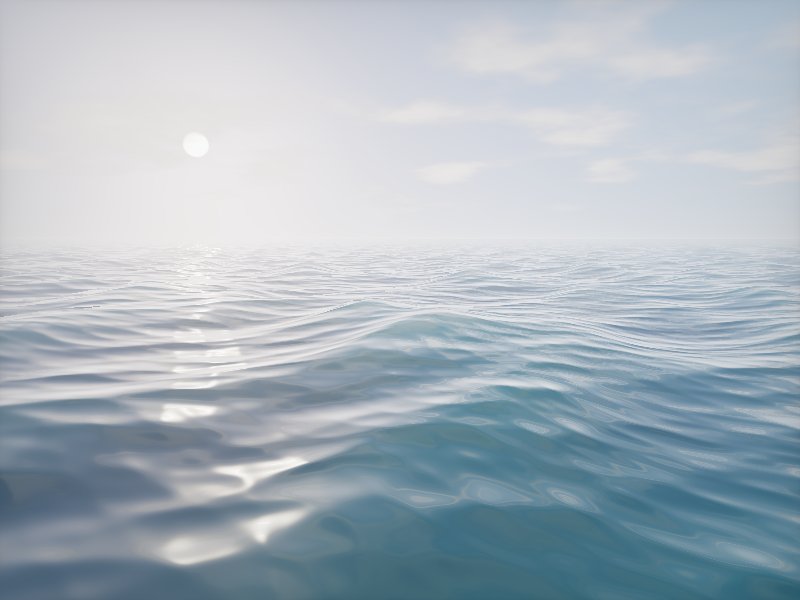
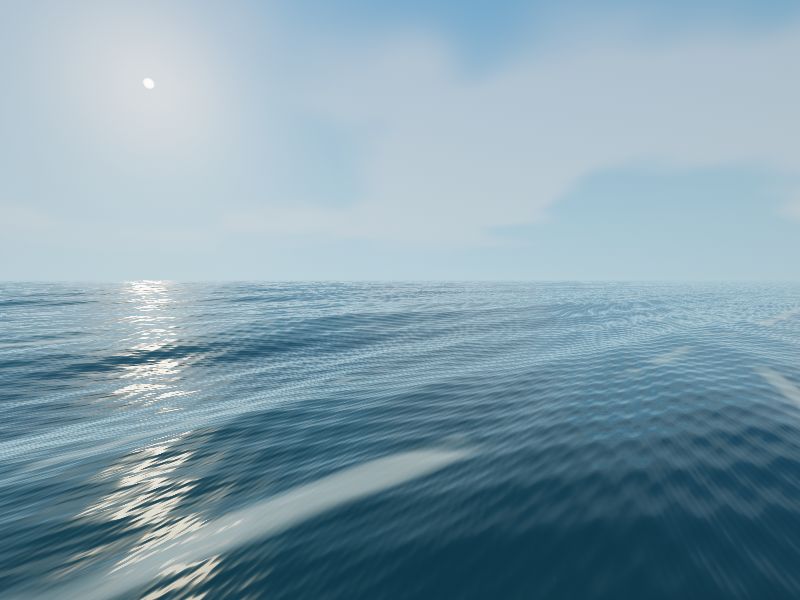
Fable 5.1NO. 1
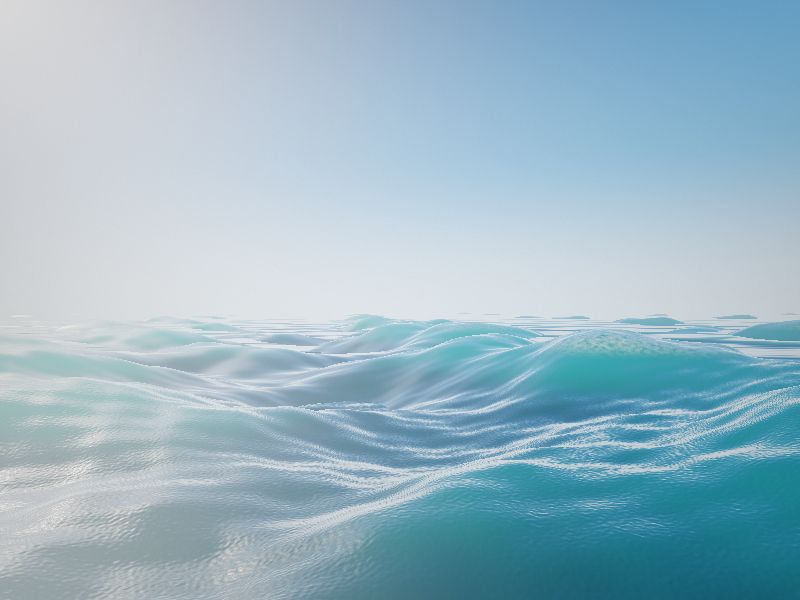
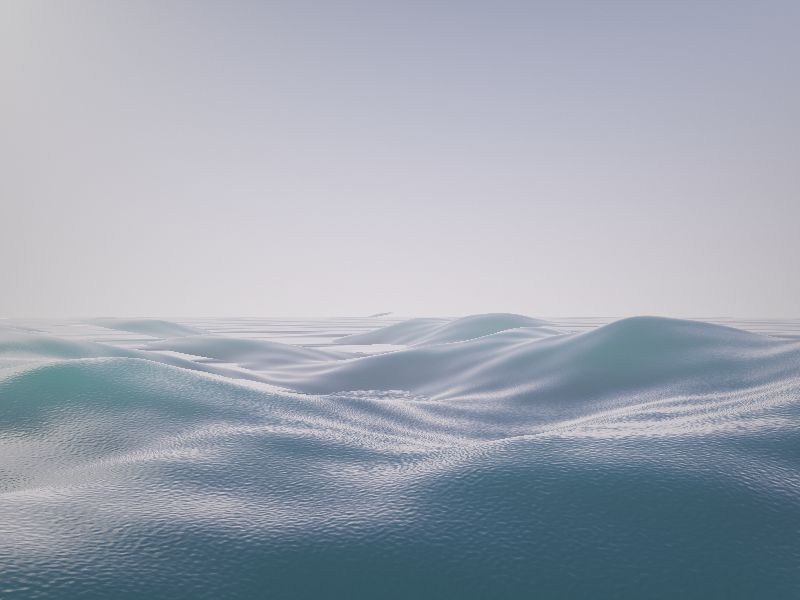
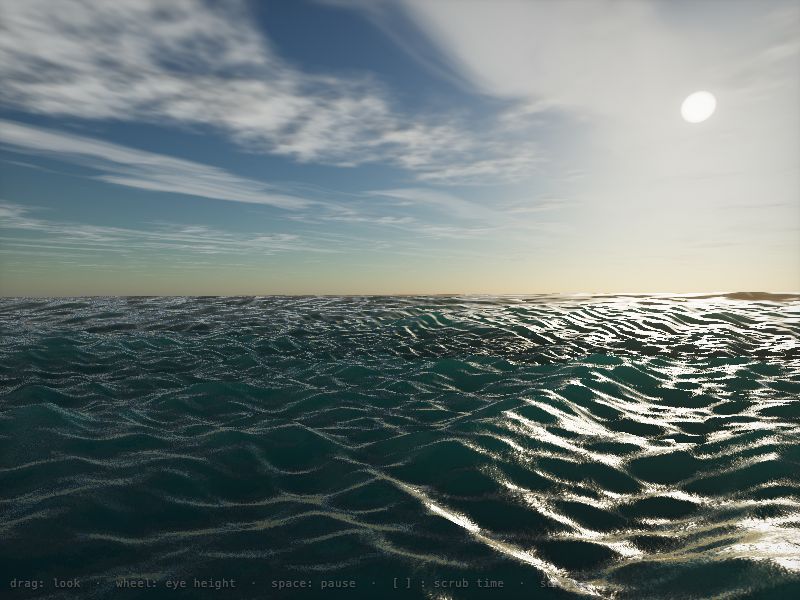
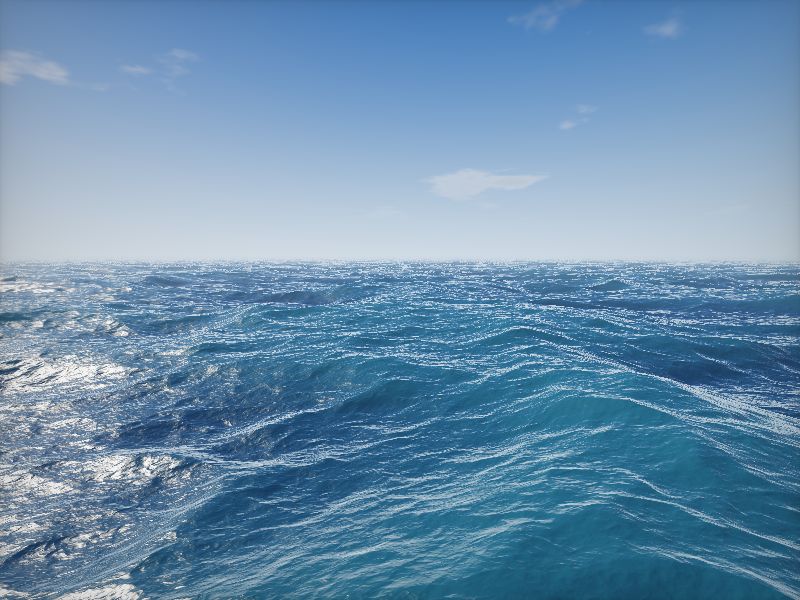
The version bump is real: the most photographic water of the board — milky morning light, believable gentle swell, hazy horizon, a glint that knows when to stop. The restraint its predecessor never had.
9.8 KB · new · released sep 1
A-
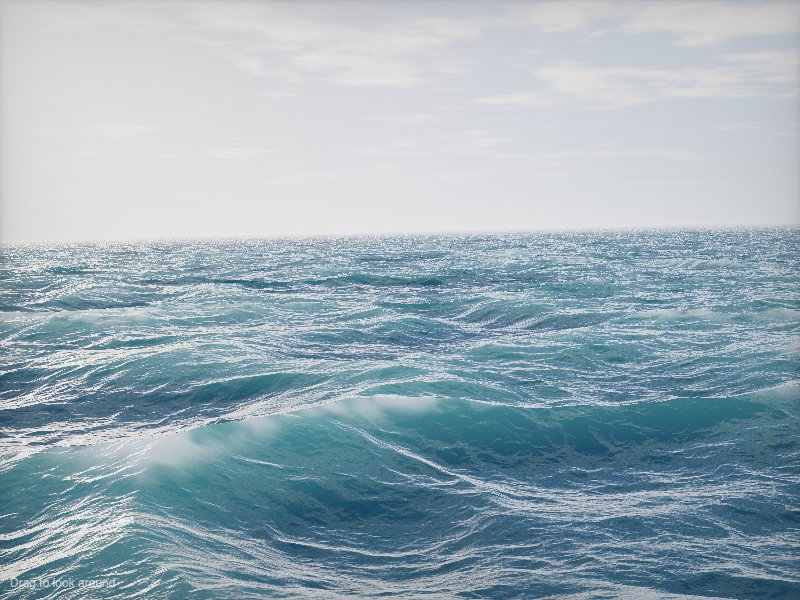
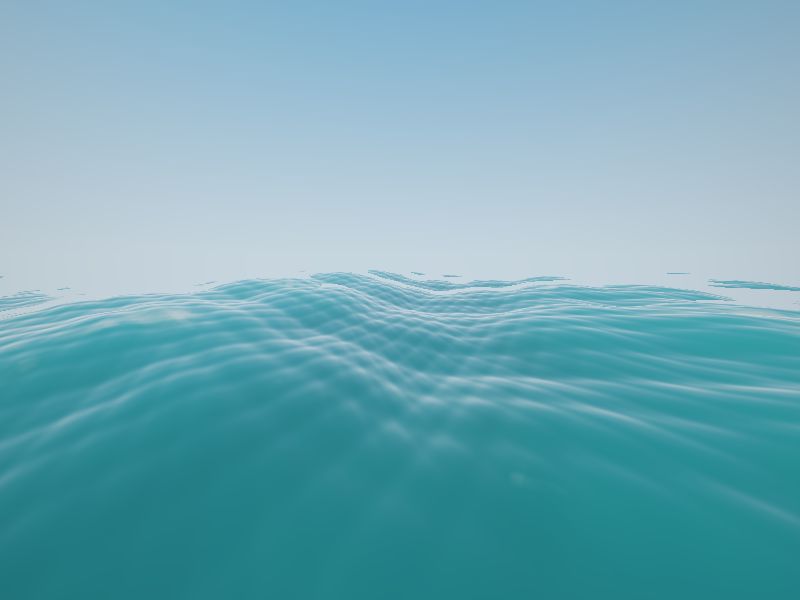
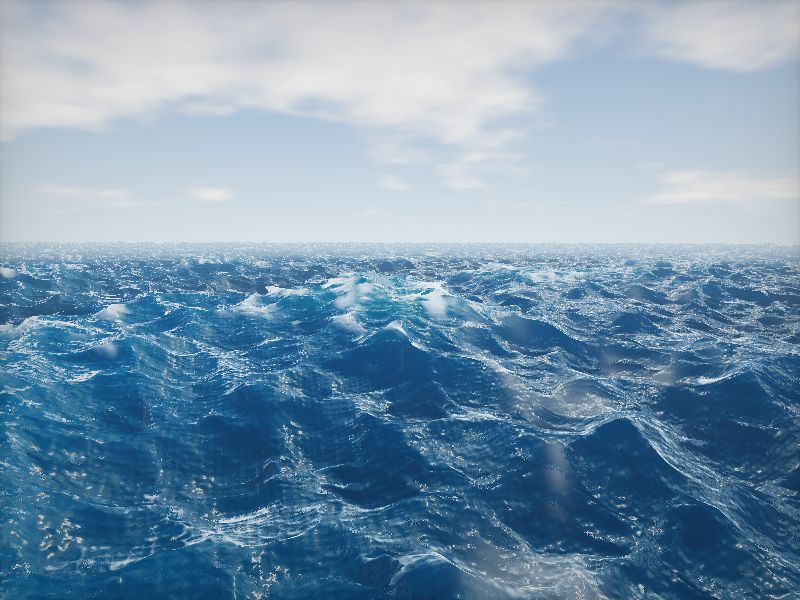
Claude Opus 5.5NO. 2
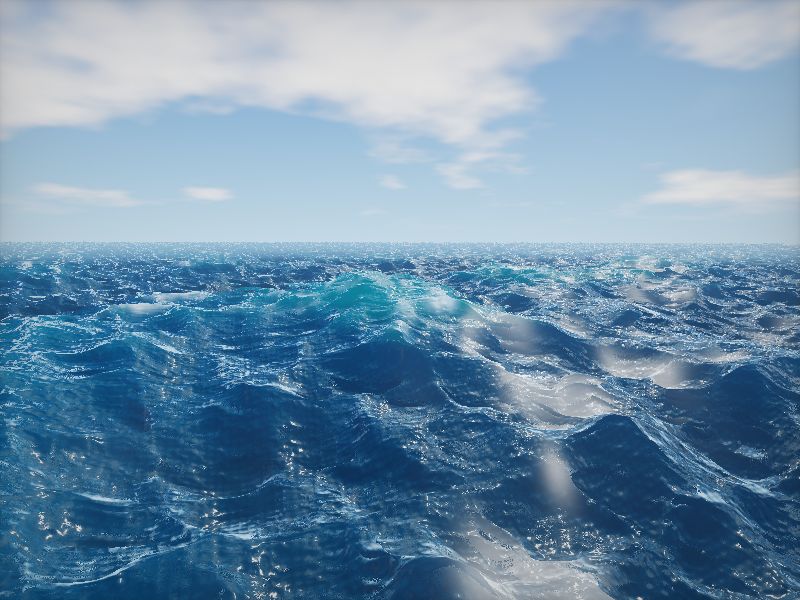
A genuine breaking swell mid-frame — the only model that shipped a wave with somewhere to go. Honest deep-sea color, clean glitter, drag camera. No sequins, no gimmicks — just water doing something.
10.7 KB · interactive
A-
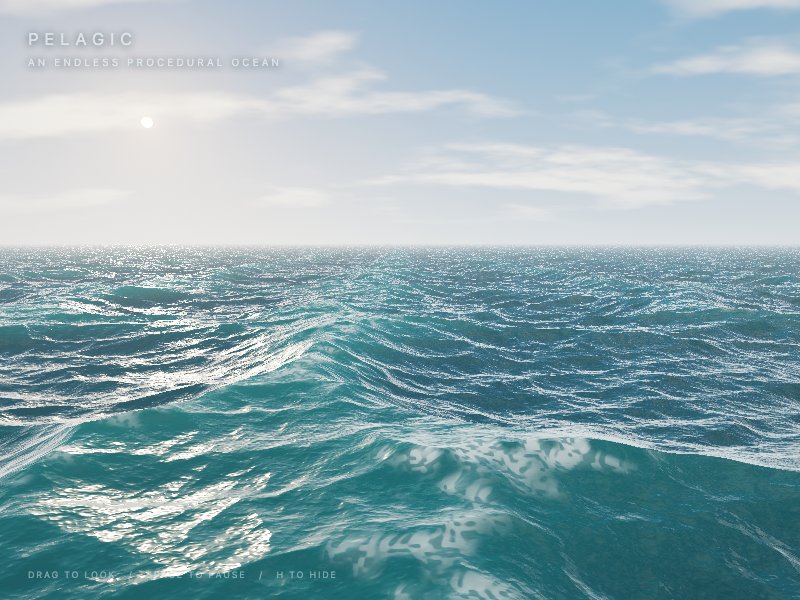
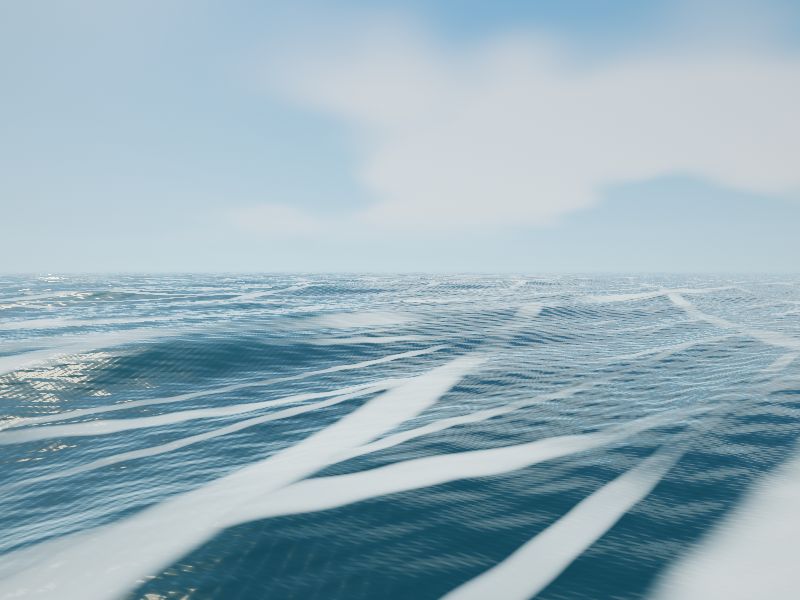
GPT-6 AstraNO. 3
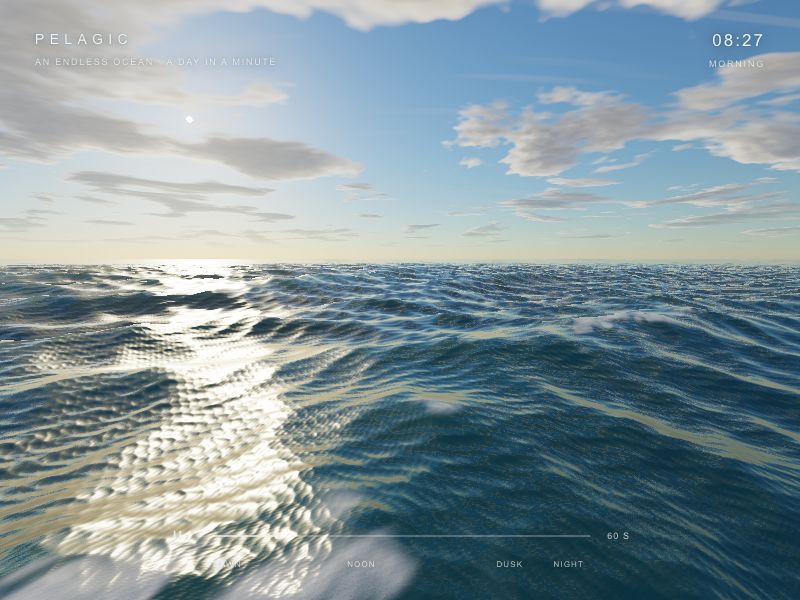
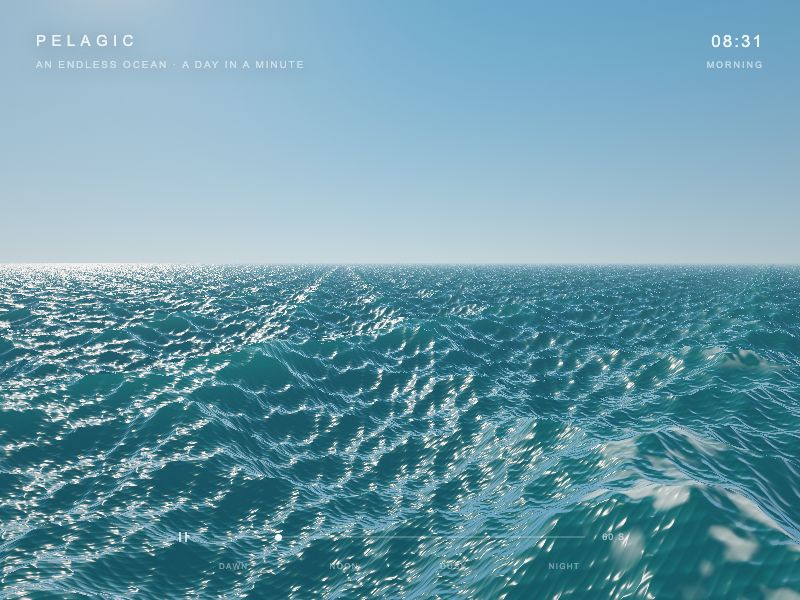
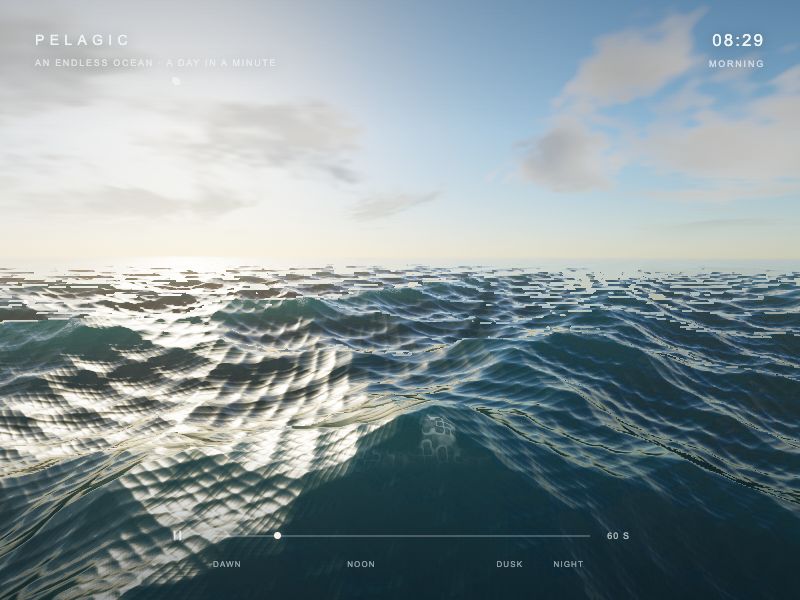
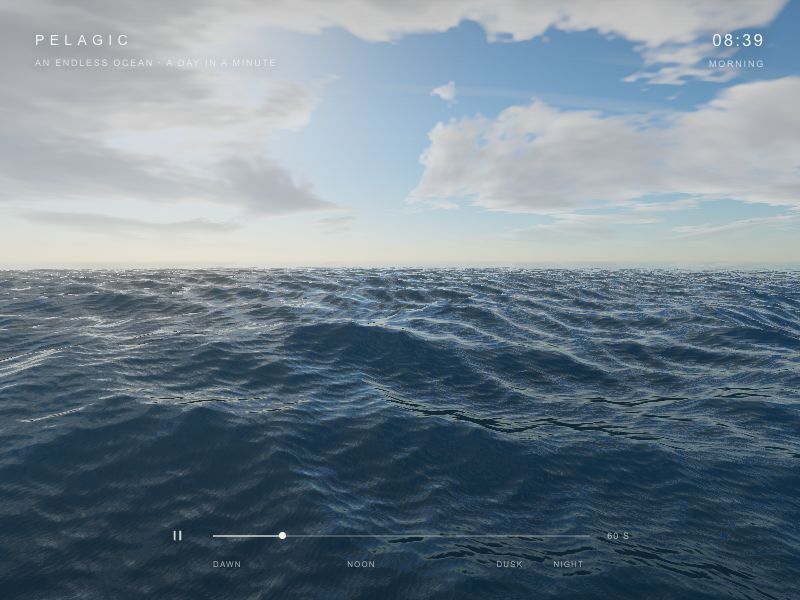
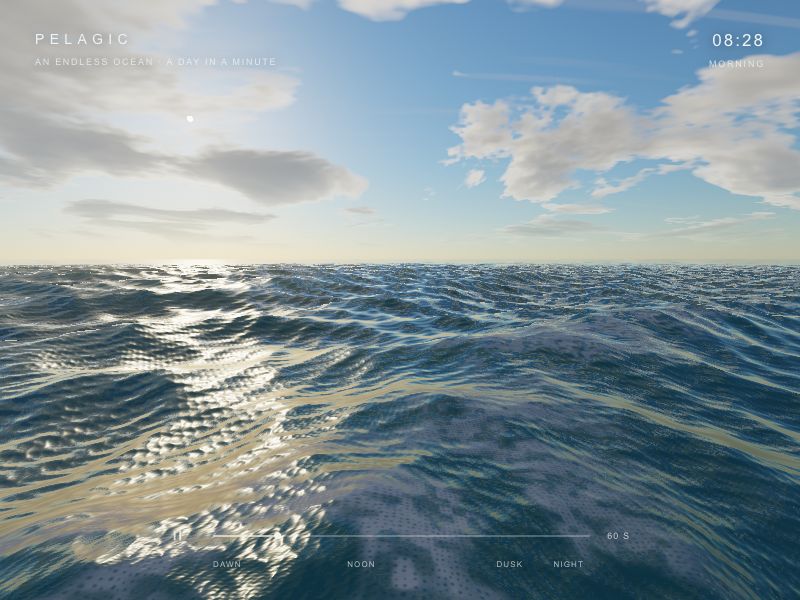
It titled the frame “PELAGIC” and shipped a HUD nobody asked for — dense swell, streaked foam, a committed aesthetic. Both timestamps hold up.
13.6 KB · interactive
B+
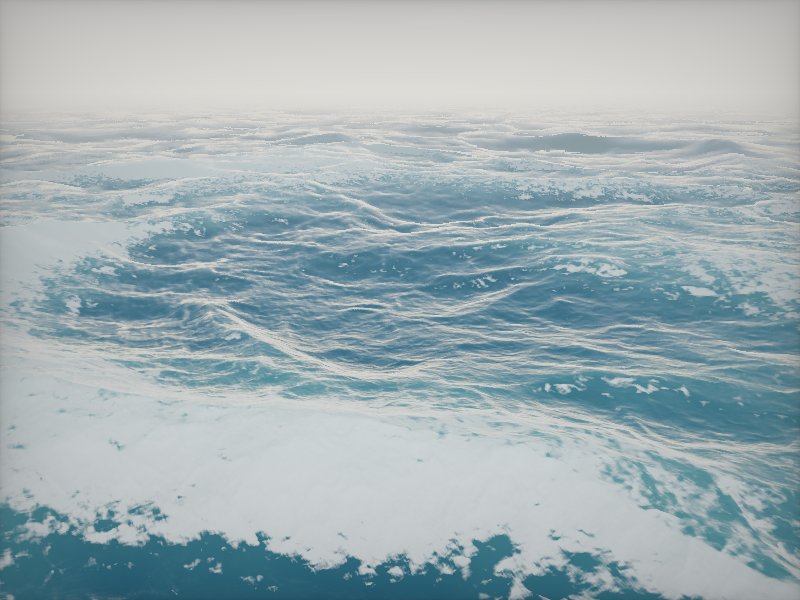
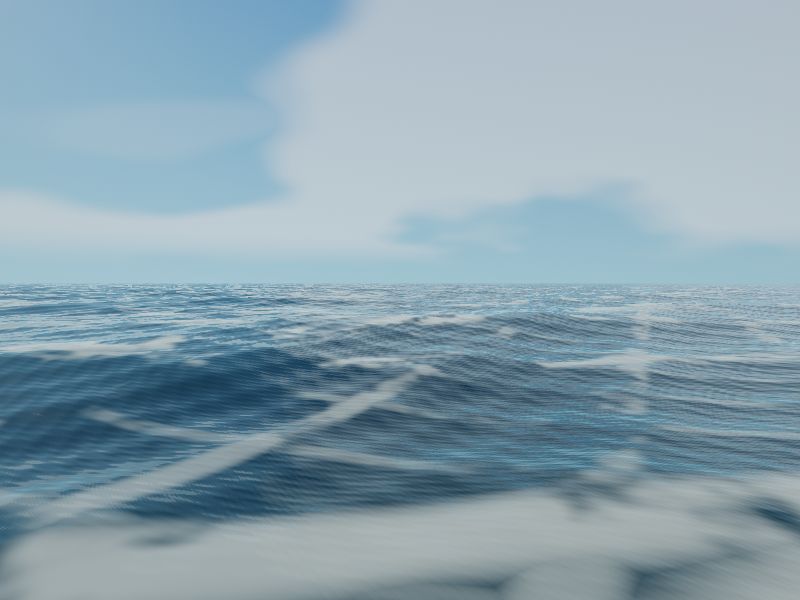
Fable 5NO. 4
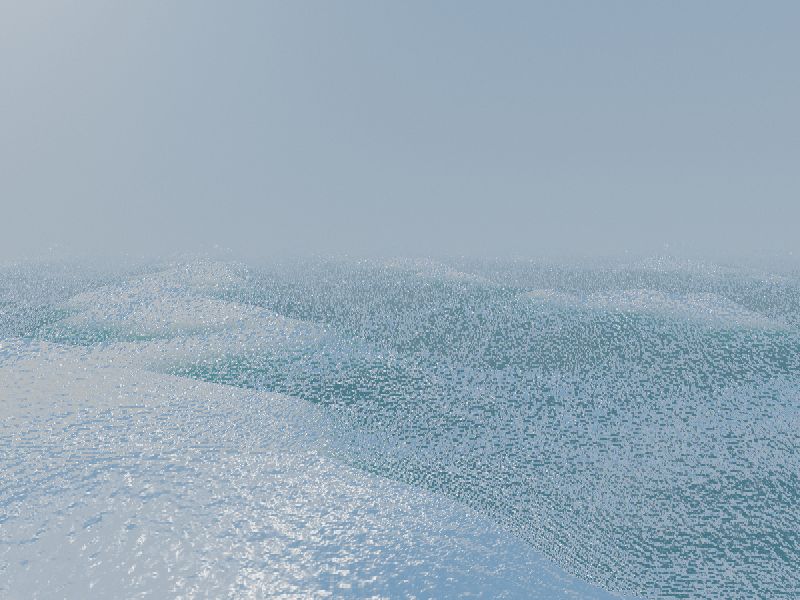
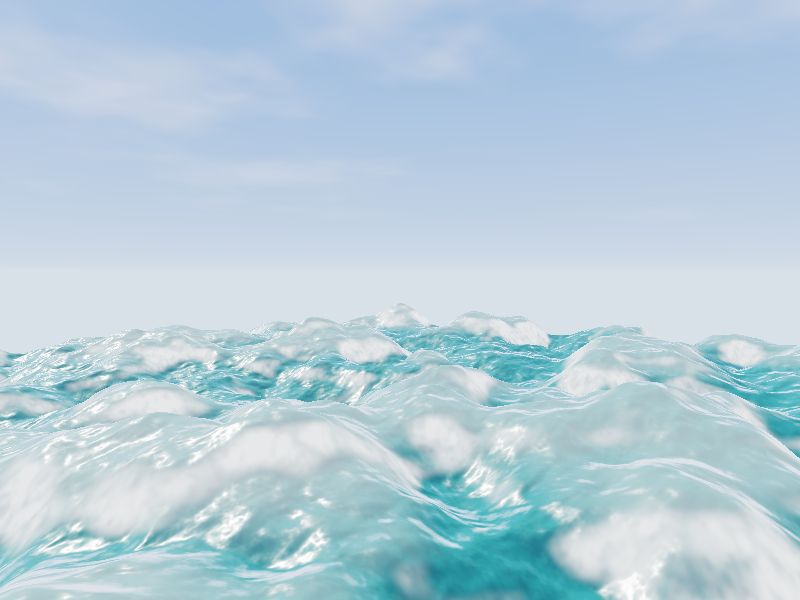
Churning storm sea with real geometry — but the near field reads as ice floes. Its successor two cells up shows what changed.
9.2 KB
B
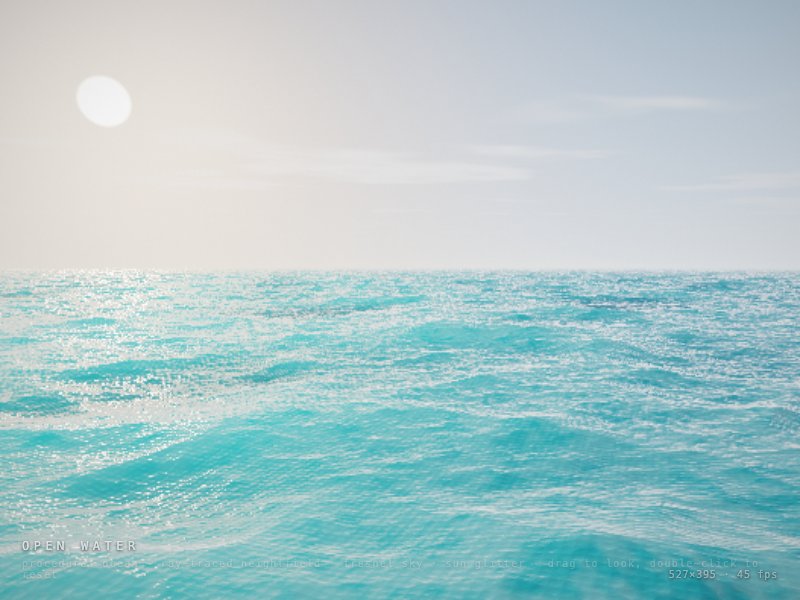
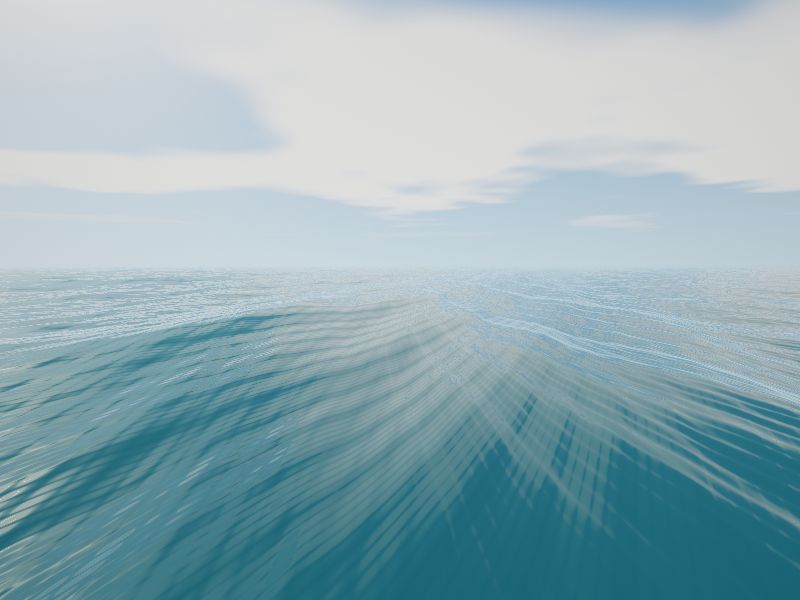
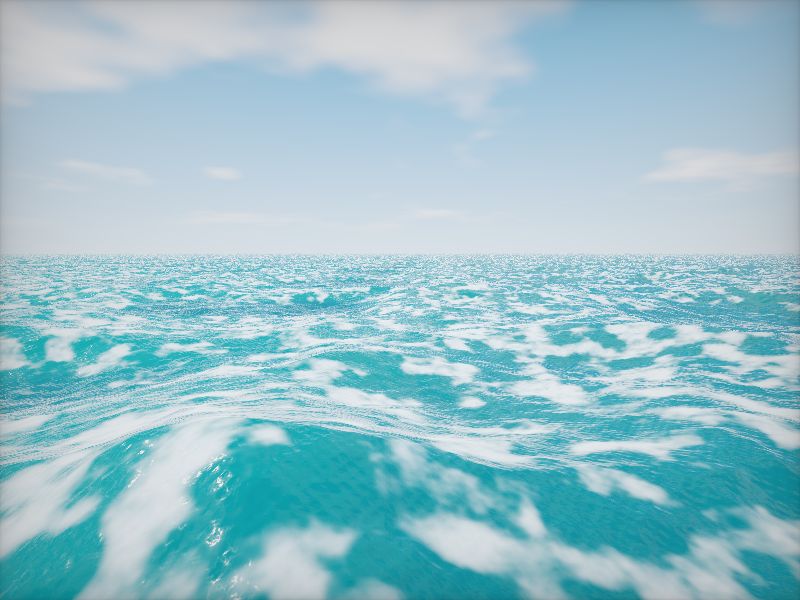
GLM-5.3-FlashNO. 5
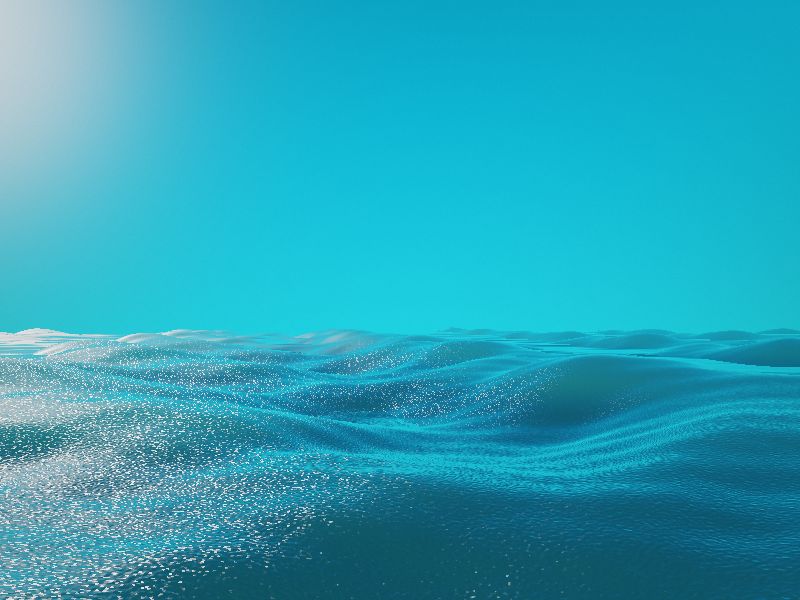
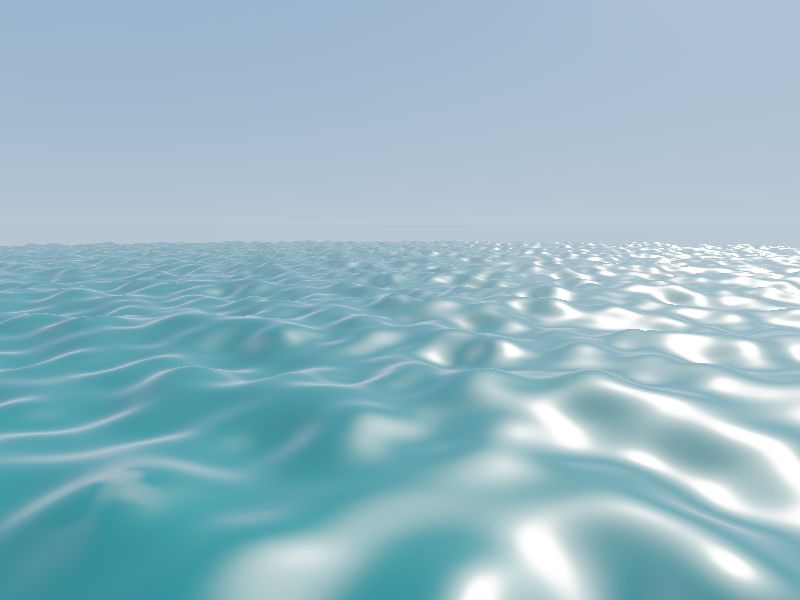
Cheerful cyan chop under big glitter, a quilted heightfield tell, and a debug HUD printed over the frame. Z.ai says the released weights differ from the stealth preview; believe them.
15.6 KB · released weights
B
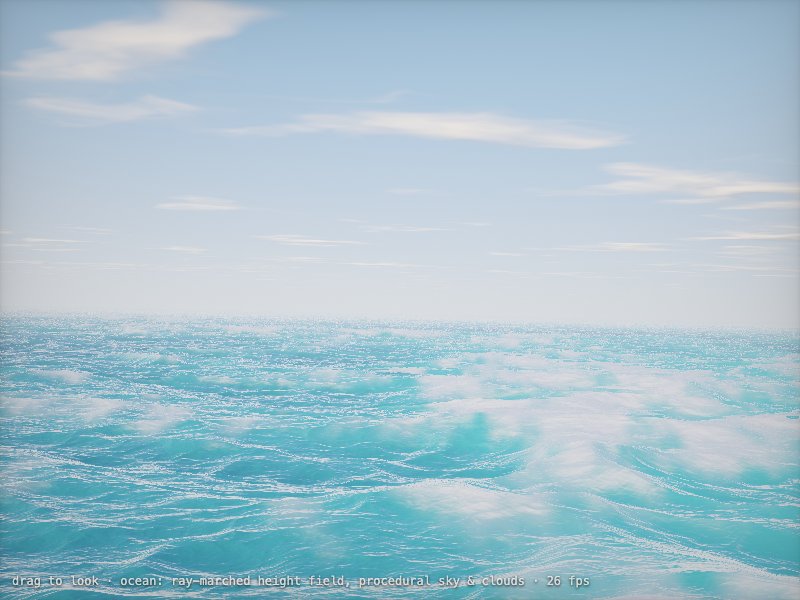
Claude Opus 5NO. 6
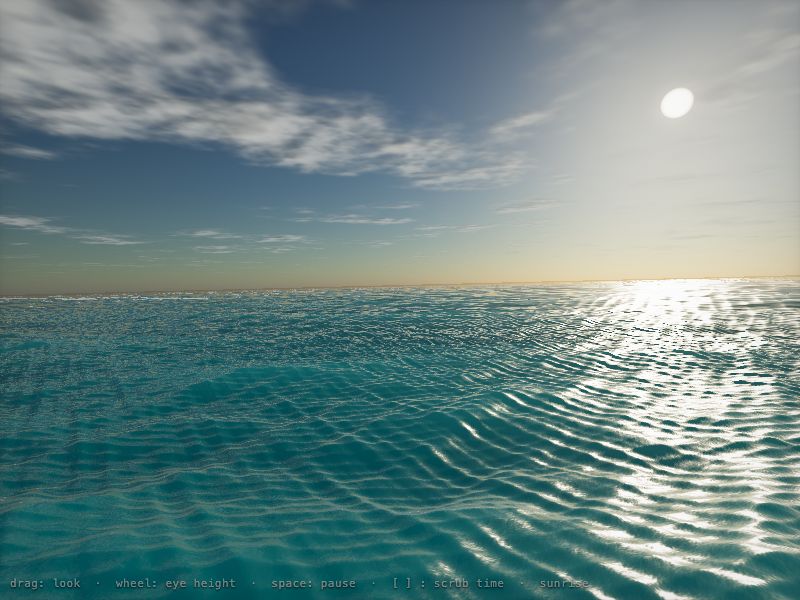
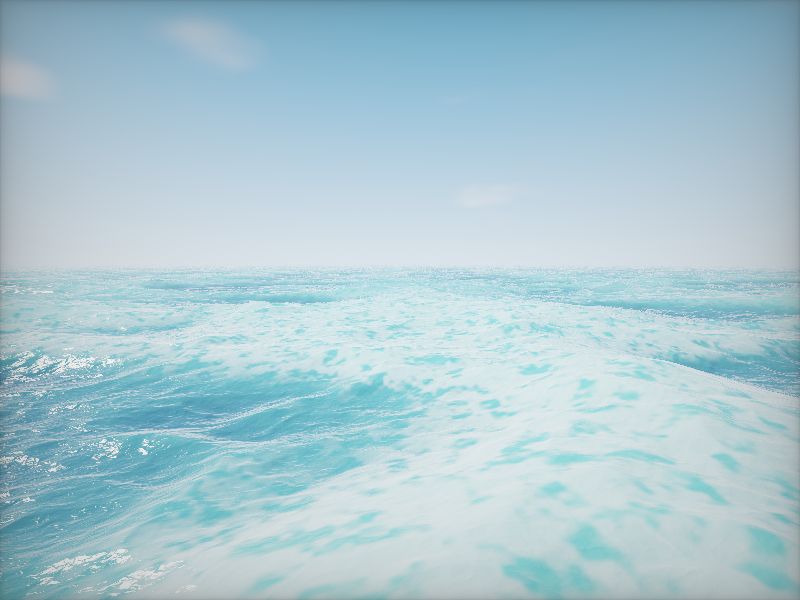
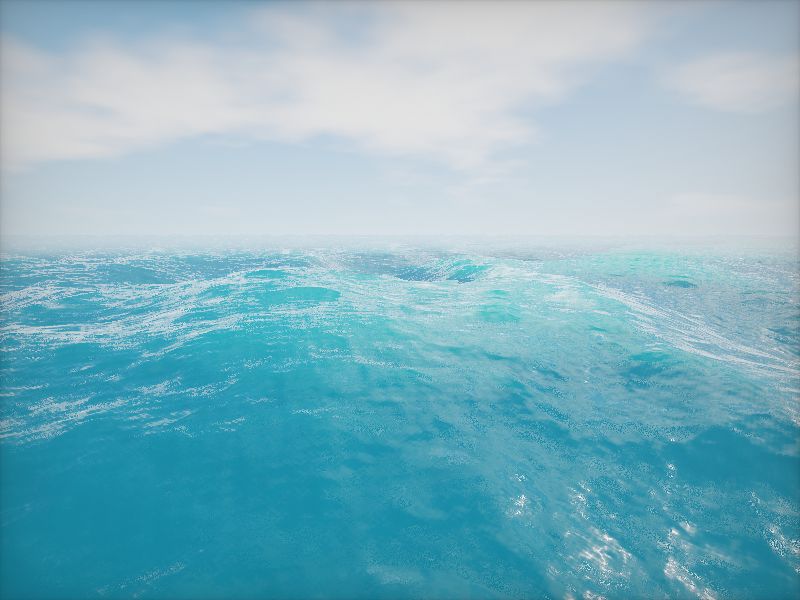
Bright tropical haze, competent surface, slightly washed. Competent and unambitious.
15.8 KB
B-
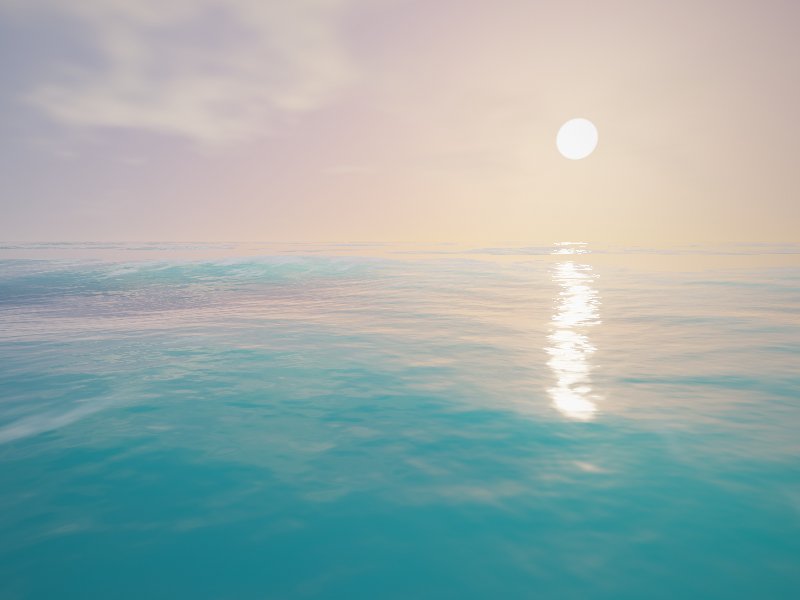
Kimi K3NO. 7
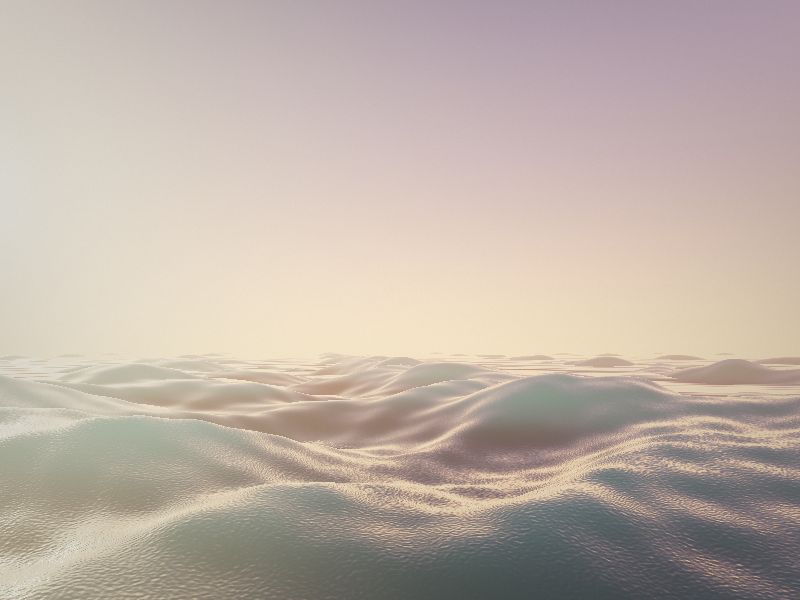
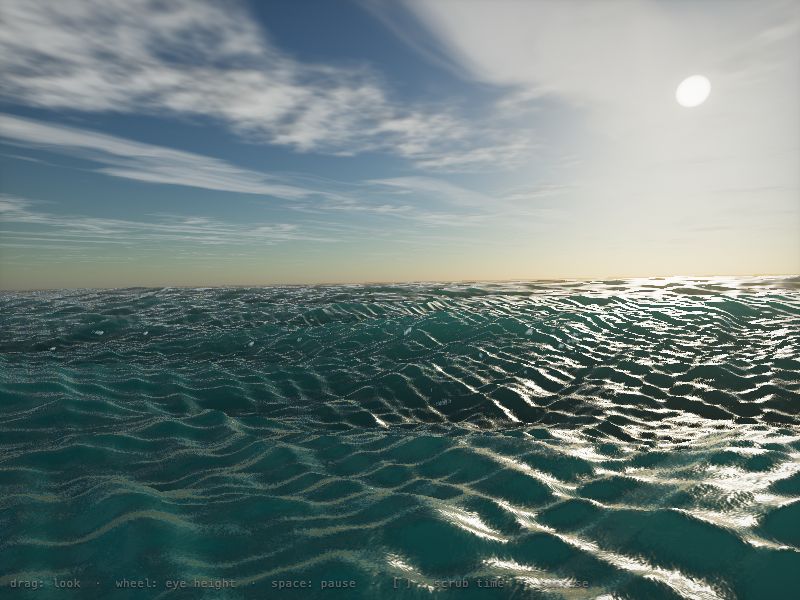
A lovely pastel sunset over water that barely moves. Mood over waves; the one word the prompt insisted on.
12.3 KB
C+
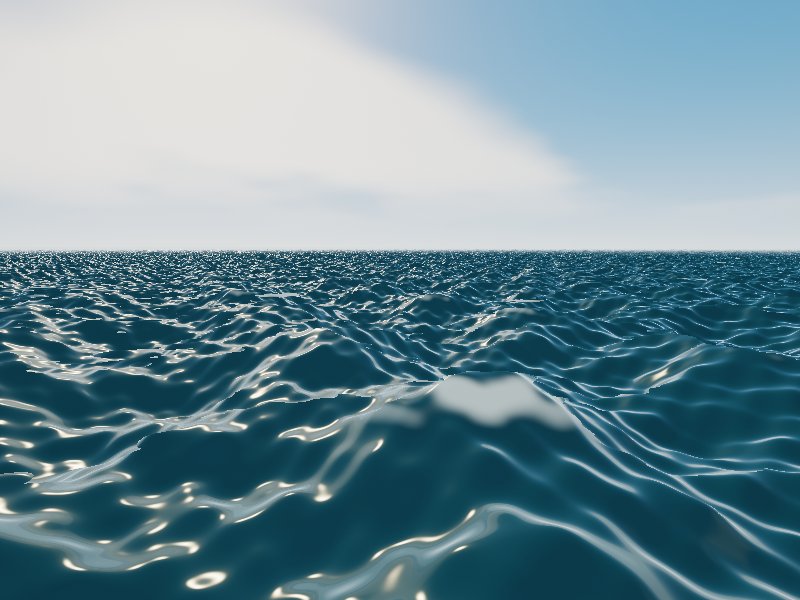
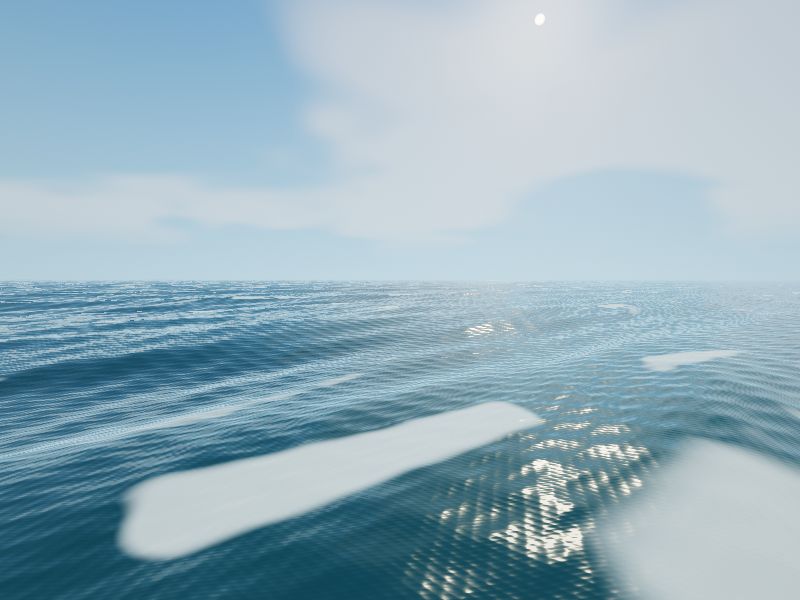
GPT-5.6 Sol (high)NO. 8
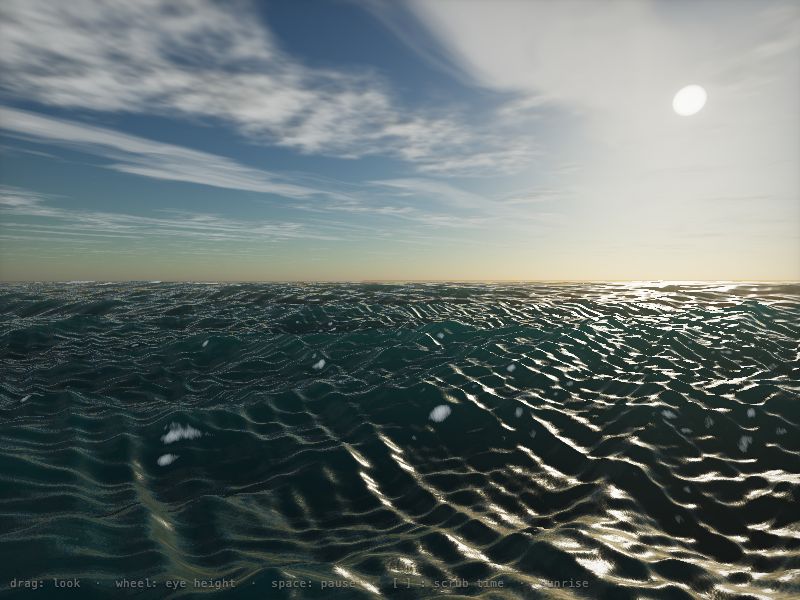
Smooth plastic ripples, zero foam, a blurred white artifact floating mid-frame. This is just what Sol thinks water is.
11.0 KB
C+
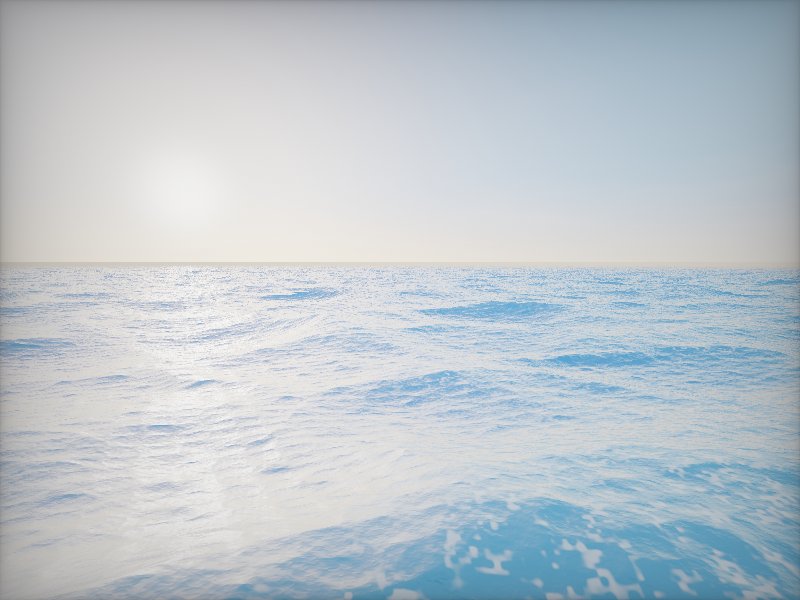
Grok 4.6NO. 9
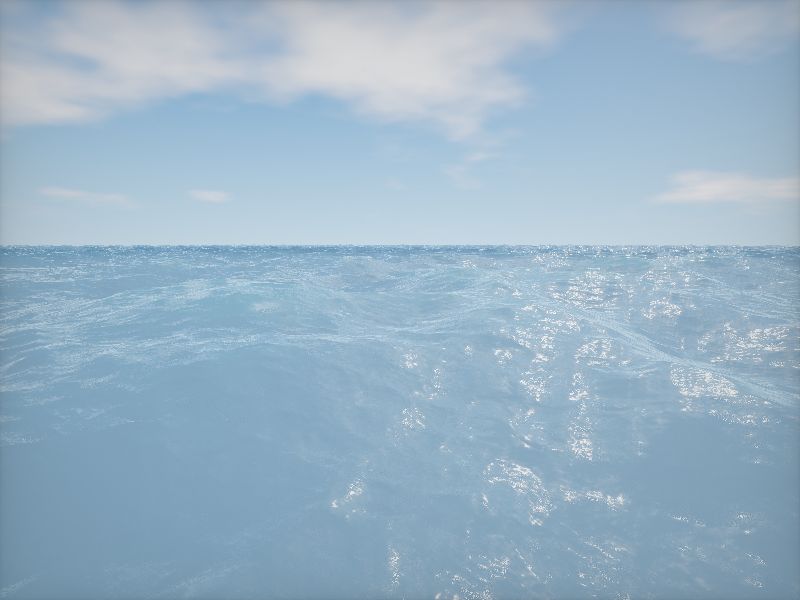
Pale haze, water bleached to near-white along the sun path. Still no body to the sea.
7.2 KB
C
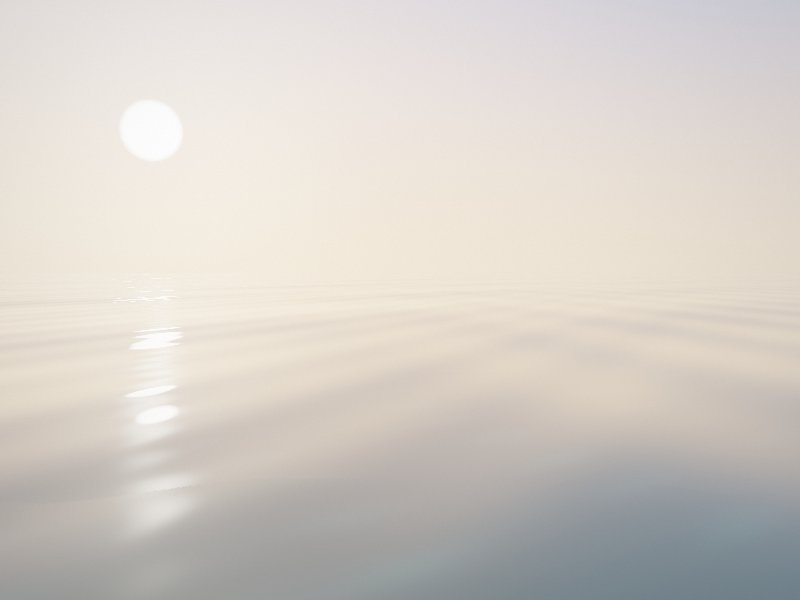
Grok 4.7NO. 10
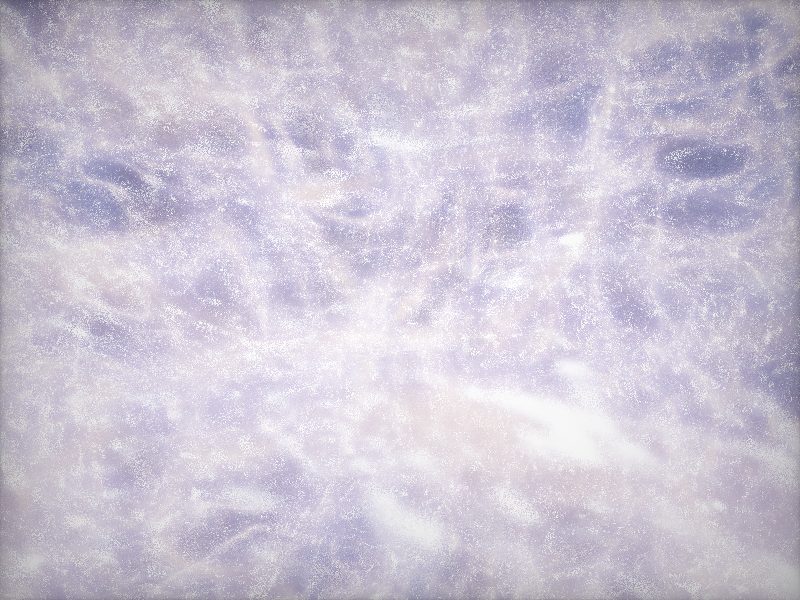
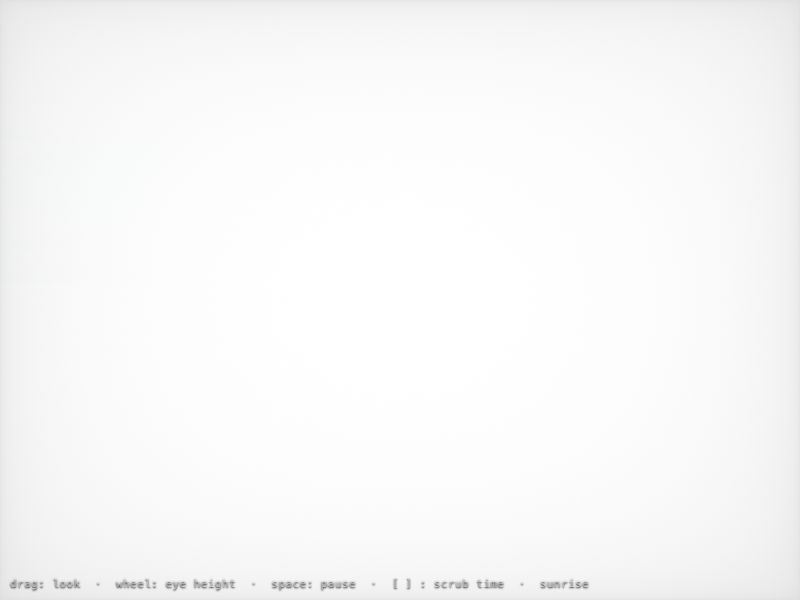
The version bump went backwards: a cream-colored void at both timestamps — milk fog with ripples. Only the sun path admits it’s water.
9.6 KB · new · released sep 21
D+
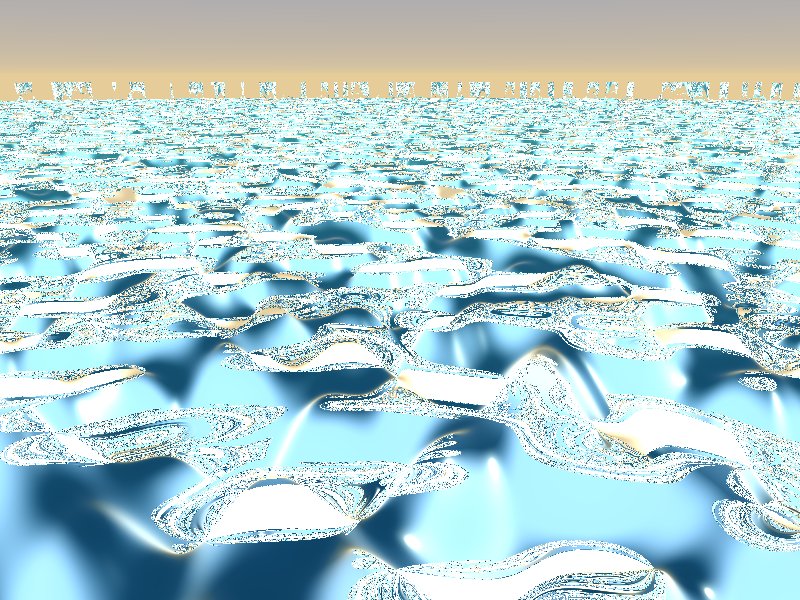
DeepSeek V4 ProNO. 11
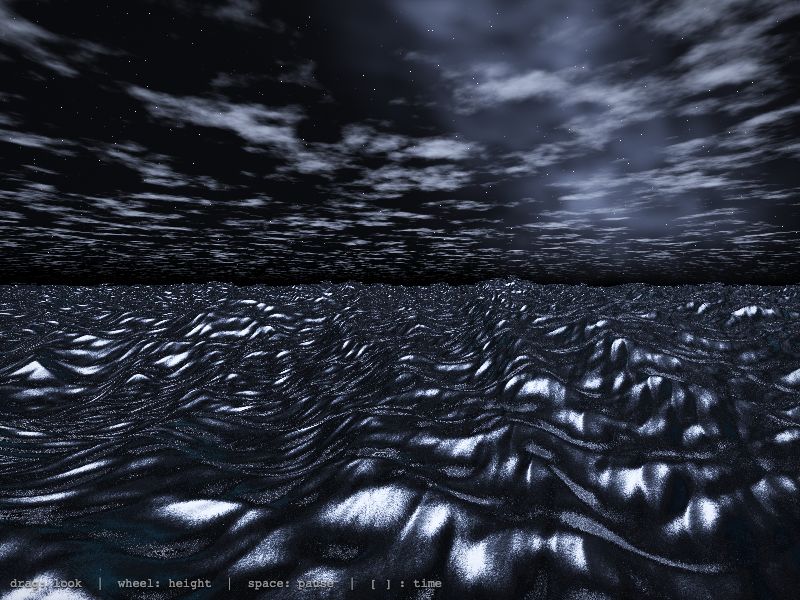
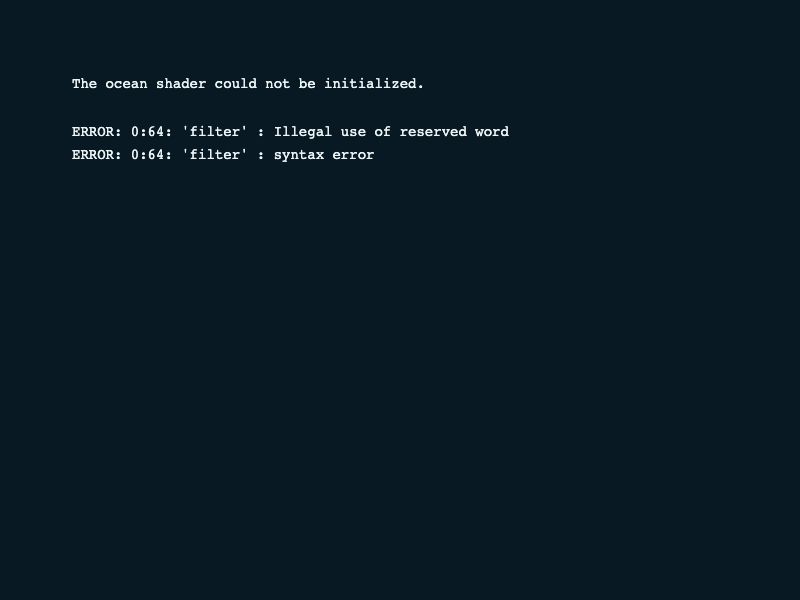
Chrome-blob soup: dithered speckle, garbled text debris on the horizon, geometry from a lava lamp. Worst of the board.
9.8 KB
🕯️ Candlelit Still Life
The prompt: a wooden table at night: a lit candle in a holder, a glass of red wine, a closed book. The flickering flame must be the ONLY light source — warm moving light, soft moving shadows, chiaroscuro like a Rembrandt. Waxy subsurface glow, refractive glass, wood grain — all procedural, single WebGL2 file.
1
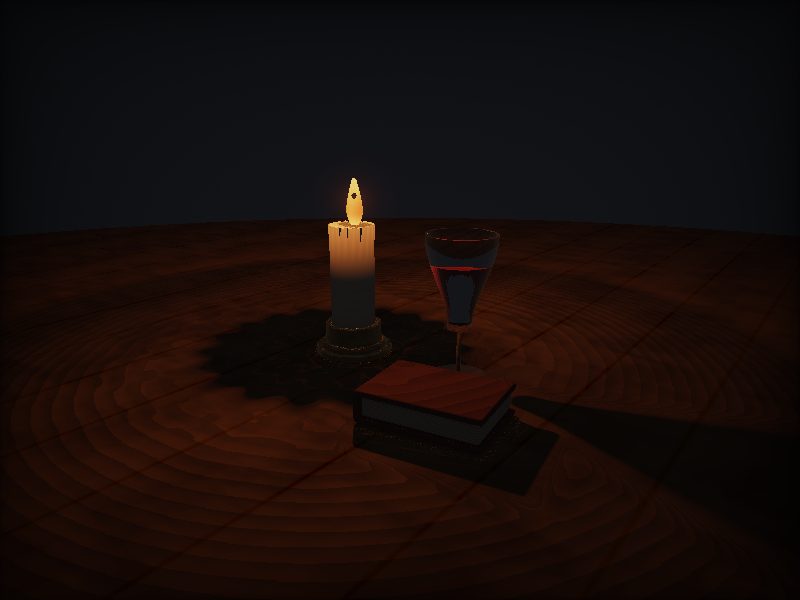
GPT-5.6 Sol (high)A-
Sol finally found the eval where its fog habit is the assignment: dripping wax, wine with visible refraction, readable book pages, real chiaroscuro falloff. Docked for hard-edged shadows and concentric wood rings.
~3 min
2
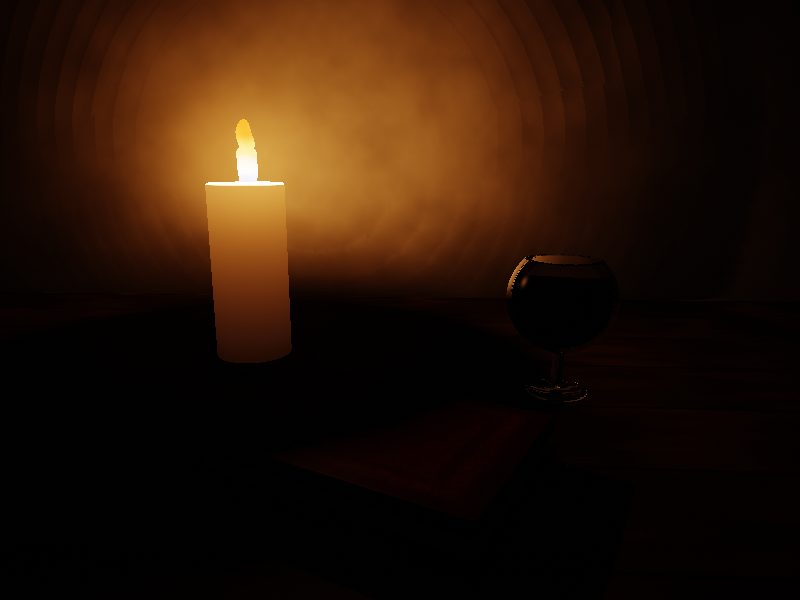
Kimi K3B+
The mood king: a glowing wax pillar with a real flame, a brandy-snifter glass catching rim light, a book sunk deep in shadow — the closest thing to actual candlelight in the set. Docked for the barely-visible book and an empty-looking glass. Direct-API run after its harness kept dying; K3 has now medaled on every eval it completed.
14.7 KB · 2 attempts · direct-API†
3
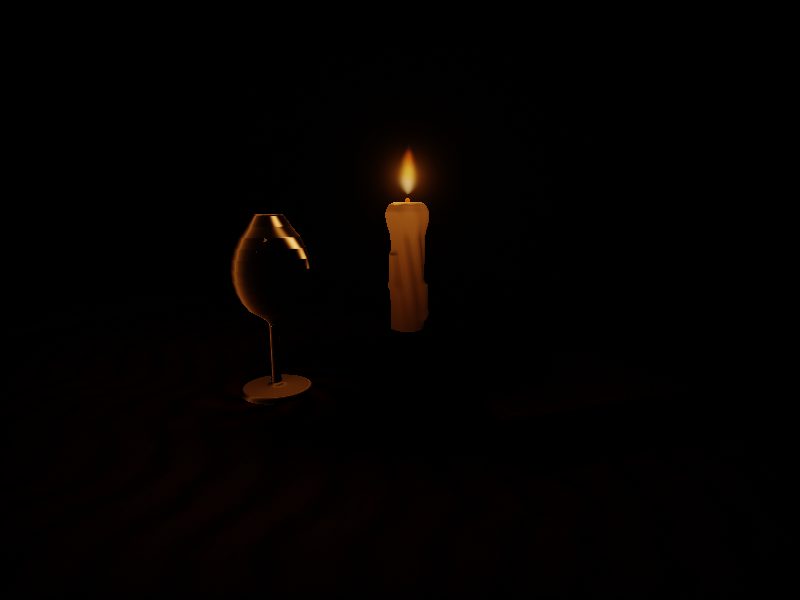
Claude Opus 5B+
The strictest reading of the brief: near-total darkness, one flame, objects barely emerging from shadow — the most artistically correct Rembrandt of the set. Almost too dark to read at a glance; the wine glass looks empty.
32.6 KBstdout mode†
4
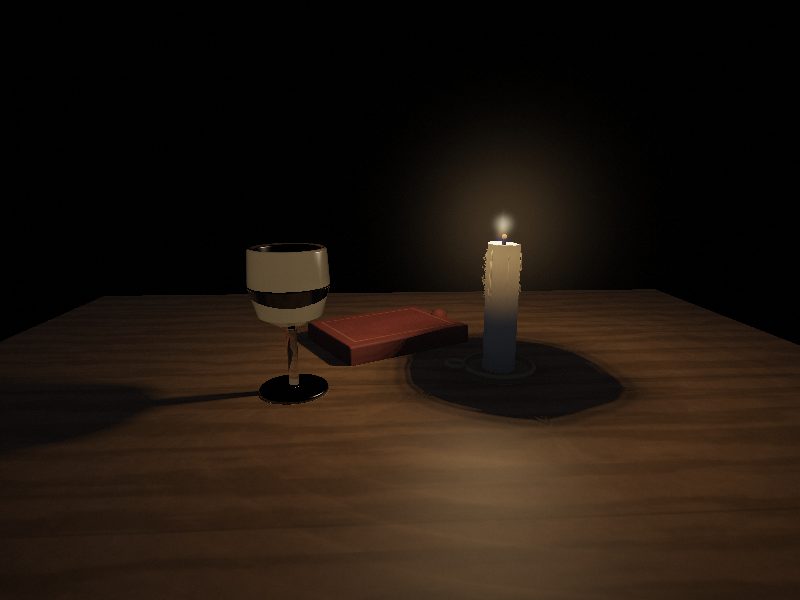
Fable 5B
Beautiful and disobedient: gorgeous flame halo, wax drips, wood grain — and a blue moonlit window glow the prompt explicitly forbade. The flame was supposed to be the only light. Graded down for the violation; would medal on looks alone.
17.5 KBstdout mode†rule violation
5
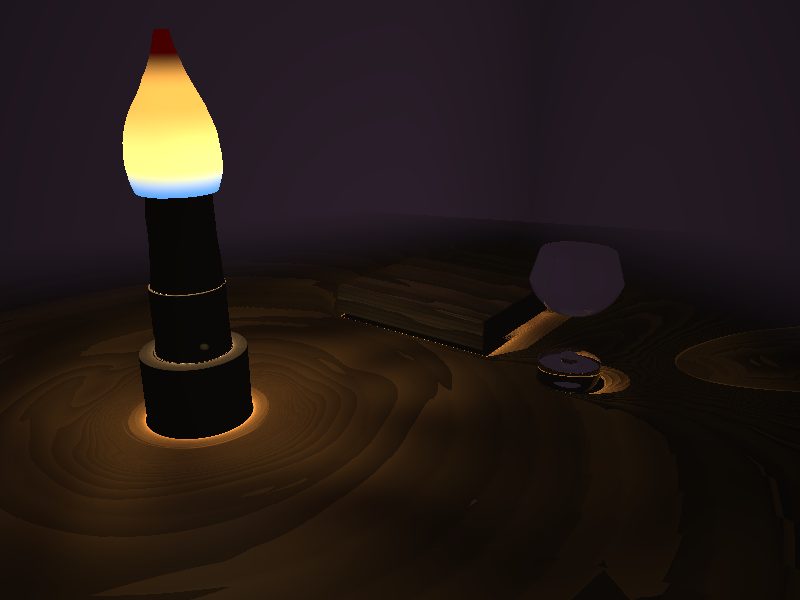
DeepSeek V4 ProC
Its first working render of the night! Candle, glass, book, wood grain, warm pooled light — a real scene at last. Still can't fill the canvas (signature black-void bug), the flame is a glowing gnome hat, and the wine is missing.
first working render
6
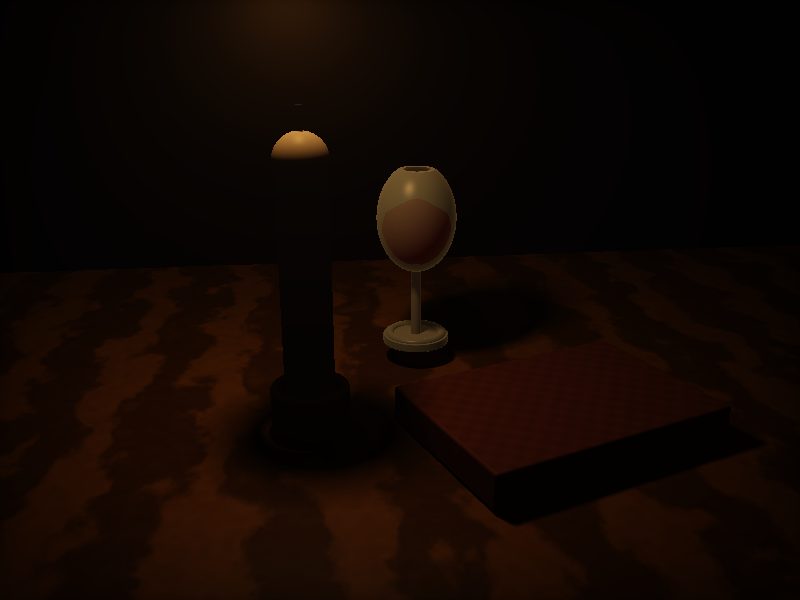
Grok 4.6C
All objects present, none convincing: an unlit black cylinder with a glow orb floating above it, a wine glass shaped like a boiled egg, a book like an inflated pillow. Materials read as plastic.
~3 min
C
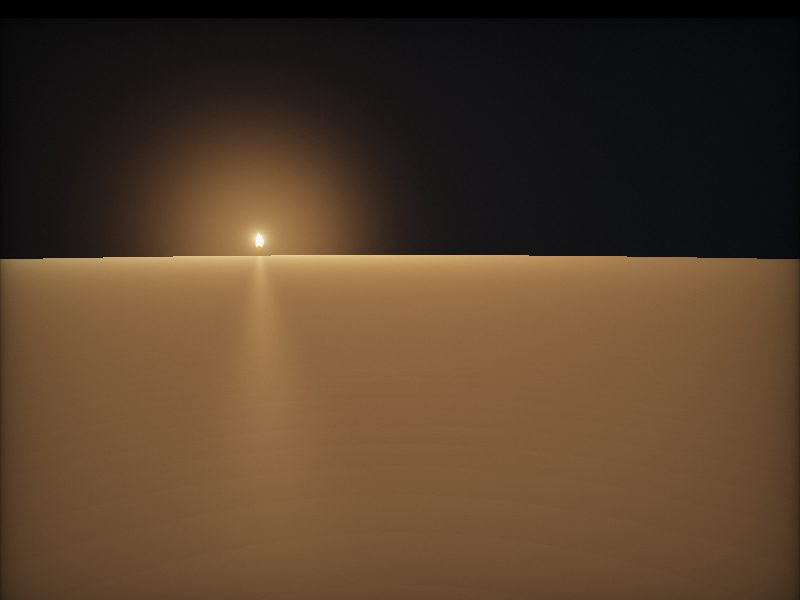
GLM-5.3-FlashGUEST
One small flame on a vast empty amber plane. Moody as a paperback cover, but the still-life table never got set: no book, no glass, no wax.
Z.ai (ran as stealth preview) · direct API · transport repair† · graded post-hoc, board ranks unmoved
B+
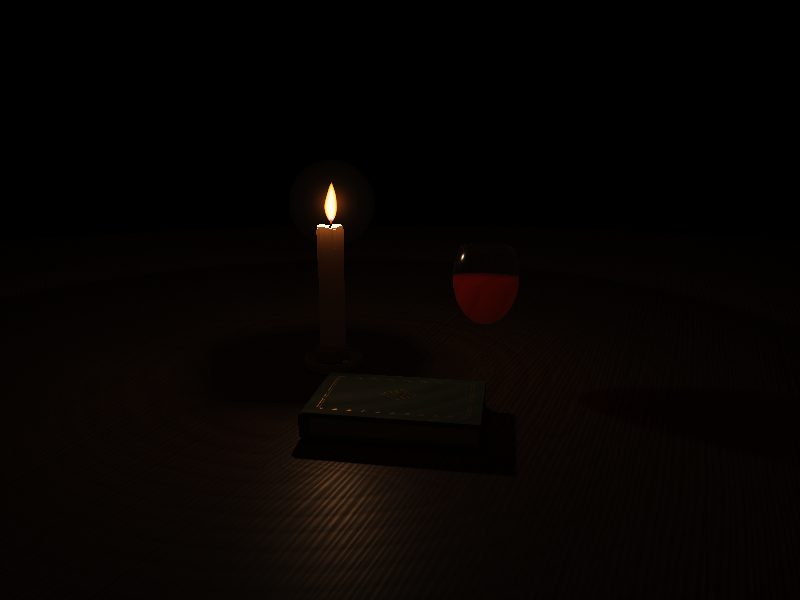
GPT-6 AstraGUEST
Candle, wine glass, book — the brief, honored. Single-source falloff is honest to the point of murk: the scene nearly drowns in its own darkness. Composition over legibility.
released sep 3 · direct API · one shot, no repair needed · graded post-hoc, board ranks unmoved
A-
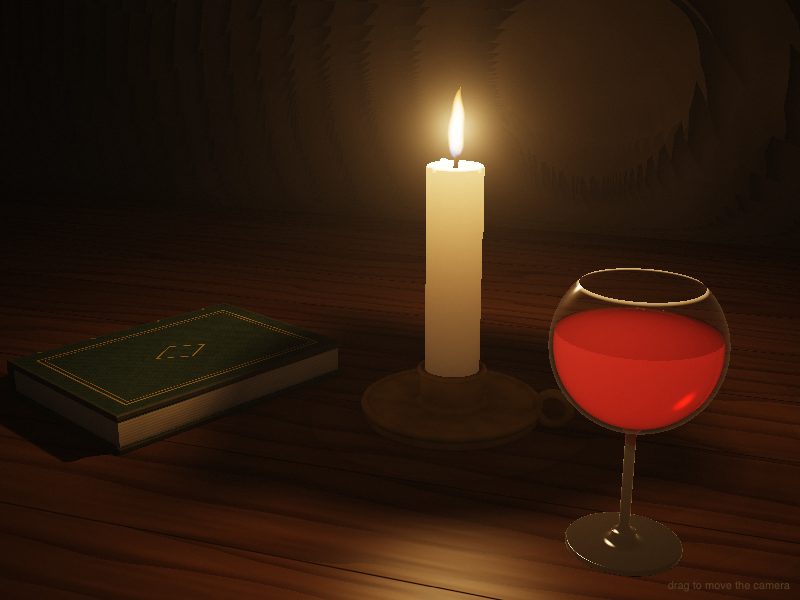
Claude Opus 5.5GUEST
The best-composed still life of the project: green clothbound book, brass holder, wine catching the flame — single-source chiaroscuro done honestly, plus a drag camera. A pale ghost-shape haunts the upper-right dark. Ties Sol’s A-; the board stays locked.
released sep 21 · direct API · one shot · graded post-hoc at two timestamps, board ranks unmoved